
 Post by

B.Tech Civil Engineering Is A Vital, Evolving Field Shaping Infrastructure (Roads, Bridges, Smart Cities) With Diverse, Impactful Career Paths, From Structural To Environmental Engineering, Offering Stability, Innovation (BIM, AI), And Personal Satisfaction Through Tangible Contributions To Society, Making It A Strong Choice For Those Loving Problem-Solving And Building The Future.
1. Structural Engineer
Average Salary (India)

B.Tech civil engineering graduates are very interested in working as structural engineers. Structural engineers are the ones who design and analyze the structures. Therefore, they get the correct information about the safety and stability of the structures. This career path demands strong mathematics and physics knowledge, as well as excellent problem-solving skills. Structural engineers have a bright future in both the public and private sectors due to the growth in infrastructure projects across the globe.
2. Project Manager
Average Salary (India)

You’ve accurately described the Project Manager role, especially in Civil Engineering, highlighting leadership, large project focus, and core duties like planning, execution, and closing while managing scope, time, and budget; it’s a demanding but rewarding path requiring strong communication, organisation, and creative problem-solving for high demand and profitability.
3. Environmental Engineer
Average Salary (India)

Environmental engineers use principles from engineering, biology, and chemistry to develop solutions for environmental problems, focusing on pollution control, waste management, water supply, and sustainable development. Their role is expanding due to heightened public environmental awareness and growing global challenges like climate change. Environmental engineers work to protect public health and the environment by identifying problems and designing practical solutions.
4. Construction Engineer
Average Salary (India)

Construction Engineering is an excellent path for B.Tech Civil graduates, focusing on managing project execution, ensuring quality, safety, and budget adherence through collaboration with teams, and applying deep knowledge of materials, technology, and regulations to diverse projects like residential, commercial, and industrial buildings. It’s a hands-on field distinct from pure design, emphasizing on-site management and successful implementation.
5. Geotechnical Engineer
Average Salary (India)
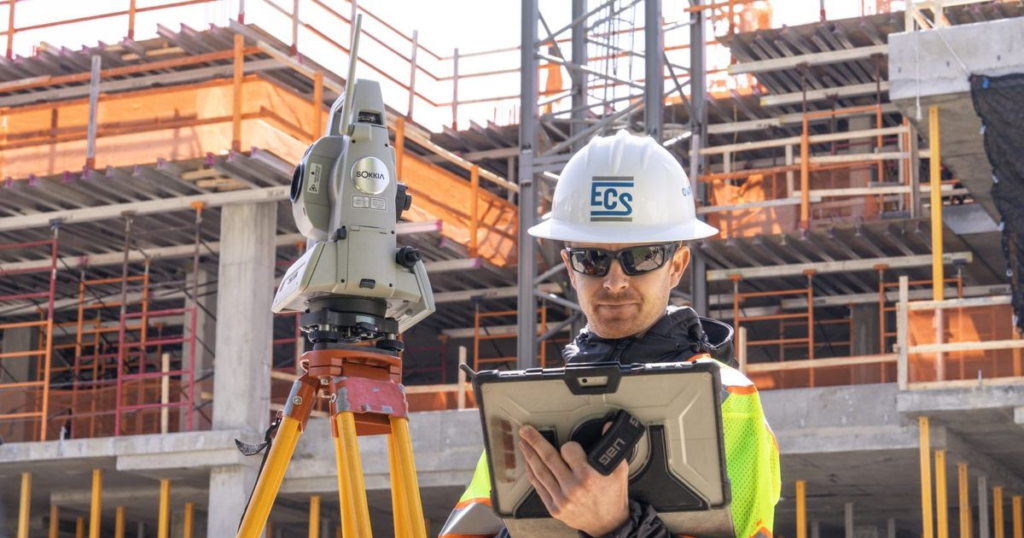
Geotechnical engineering applies the principles of soil and rock mechanics to analyze and design foundations, retaining walls, and other structures [1]. Professionals in the field ensure stability in all conditions, including challenging environments, making the work crucial for infrastructure development such as dams, tunnels, and highways To explore the field further, you can find a comprehensive overview of the required education and career opportunities through the American Society of Civil Engineers (ASCE). Many universities, such as the University of Illinois Urbana-Champaign’s Department of Civil and Environmental Engineering, also offer detailed information on specific programs and research within geotechnical engineering.
6. Transportation Engineer
Average Salary (India)

Transportation engineering is a vital field within civil engineering, focusing on the planning, design, construction, and maintenance of safe, efficient systems for moving people and goods, including Roads, Bridges, Airports, and Railways, using analytical skills and technology to improve mobility, economic development, and sustainability, with growing opportunities in Smart City solutions.
7. Urban Planner
Average Salary (India)
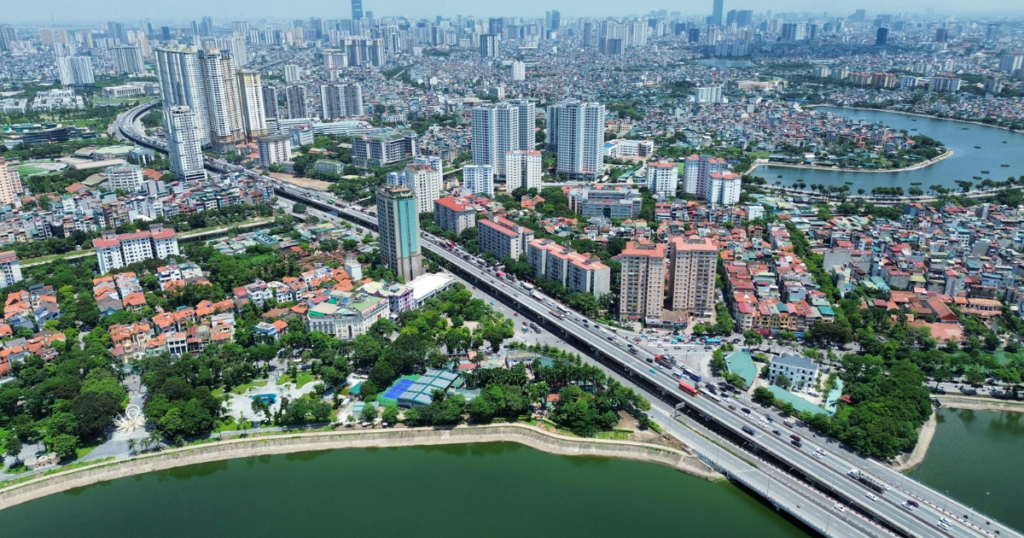
Urban planning offers a rewarding career path for individuals passionate about shaping the growth and functionality of communities. Urban planners create attractive and efficient urban spaces, working closely with government organisations and the public to design and implement strategic plans Rapid global urbanisation is fuelling a steady demand for qualified professionals in this field A Bachelor of Technology (B.Tech.) in Civil Engineering provides a versatile and robust foundation for a variety of specialisations within the broader engineering and development sector.
Start Your Civil Engineering Career
Top career paths after B.Tech Civil Engineering include becoming a Structural Engineer, Construction Manager, Urban Planner, Geotechnical Engineer, Environmental Engineer, Transportation Engineer, or Project Manager, focusing on designing, building, and maintaining infrastructure, or leveraging skills in government (PWD, Railways), consultancies, real estate, or even entrepreneurship in contracting and supply. Specialising through M.Tech in areas like Water Resources or Geo-informatics also offers advanced opportunities.
Contact Us!