
 Post by
Computational Design is rapidly transforming the Architecture, Engineering, and Construction (AEC) industry in 2026, driven by the integration of Artificial Intelligence (AI), generative design algorithms, and automated BIM workflows. As digital transformation accelerates across the built environment, professionals must adapt to data-driven modeling, cloud-based collaboration, and intelligent design optimization to stay competitive.

In 2026, key computational design trends such as AI-powered generative design, real-time clash detection, digital twins, and performance-based simulations are reshaping how buildings are designed, analysed, and constructed. These innovations are not only improving project efficiency and reducing material waste but also enabling the creation of smarter, more sustainable infrastructure.
Whether you are an experienced AEC professional or a graduate exploring careers in Computational Design, understanding these emerging trends is essential for future-proofing your skills and unlocking new job opportunities in the evolving construction industry.
Let’s explore the top computational design trends that are redefining the future of AEC in 2026.
What is Computational Design?
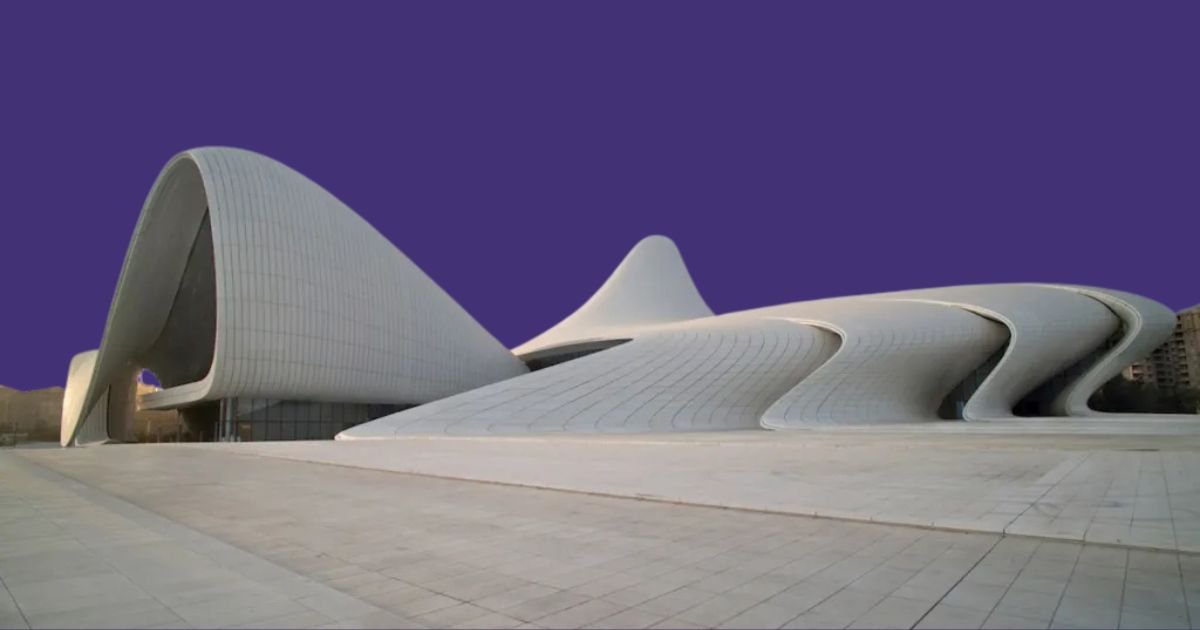
Computational Design is a modern design approach where architects and engineers use algorithms, parameters, and digital tools to create and optimize design solutions. Instead of depending only on manual drafting or traditional CAD methods, this process allows professionals to define rules and inputs that software can use to generate multiple design possibilities.
In the AEC (Architecture, Engineering, and Construction) industry, computational design helps break complex problems into logical steps. Designers can test variations, analyse performance, and refine structures based on data such as environmental conditions, material efficiency, and structural behaviour.
This method not only improves accuracy and efficiency but also opens the door to innovative geometries, sustainable solutions, and smarter project delivery. As technology continues to evolve, computational design is becoming a core skill for future-ready AEC professionals.
Key Benefits of Computational Design for Architects in 2026
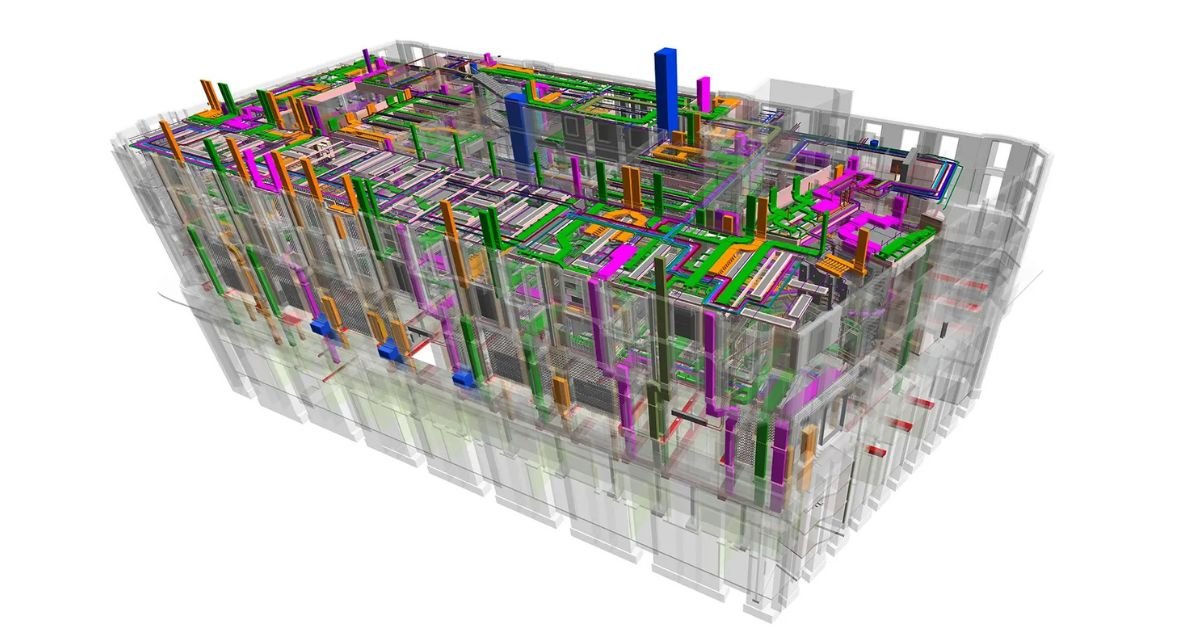
Computational design is transforming modern architecture by combining algorithms and parametric modeling to enhance creativity, efficiency, and sustainability. It allows architects to quickly test multiple design variations, optimize complex geometries, and make informed decisions based on real performance data.
By automating repetitive tasks and streamlining workflows, computational design improves accuracy during both the design and construction phases. This approach not only saves time but also enables architects to focus more on innovation, sustainable solutions, and high-performance building design.
- Rapid Design Iteration and Optimization Computational design enables architects and engineers to make quick design amendments through parametric modeling. By adjusting key parameters such as dimensions, relationships between elements, and performance criteria, professionals can instantly generate multiple design variations. Any modification in the initial inputs automatically updates the entire model, eliminating the need for repetitive manual changes. This flexibility not only saves time but also gives designers greater control, accuracy, and efficiency throughout the design process.
- Enhanced Productivity Through Automation and Smart Workflows. Computational design significantly improves productivity by automating repetitive and complex design tasks. By defining rules, parameters, and relationships within a model, architects and engineers can allow the software to handle calculations, adjustments, and updates automatically. When changes are made to one part of the design, the entire model updates instantly, reducing manual corrections and minimizing errors. This automation not only accelerates project timelines but also ensures greater consistency, coordination, and accuracy across all design stages. As a result, professionals can shift their focus from repetitive drafting work to higher-value creative thinking, problem-solving, and performance optimization.
- Early-Stage Simulation and Performance Testing Computational design enables architects to simulate and test building performance at the earliest stages of the design process. Through structural simulations, material optimization, daylight analysis, and environmental performance testing, professionals can evaluate how a design will behave before construction begins. These simulations provide valuable data-driven insights that support informed decision-making. Whether optimizing building orientation for maximum solar gain or refining structural systems for better load distribution, computational tools allow precise adjustments based on real performance scenarios. By integrating simulation early in the workflow, architects can reduce design risks, improve sustainability, enhance structural efficiency, and avoid costly revisions during later project phases.
- Improved Project Coordination and Data-Driven Management. Computational design strengthens project management by integrating intelligent models with scheduling and workflow systems. Through parametric updates and interconnected digital environments, architects can track design progress, manage revisions, and optimize project timelines more effectively. When changes are made to the model, related components update automatically, ensuring alignment between design intent, structural performance, and construction planning. This reduces coordination errors, minimizes project risks, and improves cost control. By combining data-driven decision-making with automated workflows, computational design enables more accurate planning, better collaboration among stakeholders, and efficient project delivery within the AEC industry.
- Expanded Design Exploration Through Parametric Modeling. Design exploration is one of the core strengths of computational design. By leveraging generative algorithms and parametric modeling, architects can produce multiple design alternatives simply by adjusting defined parameters and relationships within the model. This approach eliminates the need for repetitive manual drafting and enables professionals to experiment with diverse layouts, structural systems, façade patterns, and spatial configurations. Architects can quickly compare options and refine designs based on performance, functionality, and aesthetics. As a result, computational design transforms creative exploration into a structured, data-driven process that balances innovation with optimization, making it an essential capability in modern architectural practice.
- Data-Driven Cost Control and Project Risk Management Computational design empowers architects to align projects with budget objectives through 5D BIM integration and algorithm-based cost analysis. By evaluating material quantities, structural efficiency, and resource allocation in real time, professionals can make financially informed design decisions from the early stages. Through simulation of multiple design alternatives, architects can identify cost-effective solutions, minimize material waste, and reduce the risk of design errors that often lead to budget overruns. Automated updates across interconnected models further improve accuracy and cost transparency. As a result, computational design strengthens financial control, enhances project predictability, and supports efficient risk management throughout the project lifecycle in the AEC industry.
- Seamless Integration of Computational Design with BIM Workflows Computational design seamlessly integrates with Building Information Modeling (BIM) platforms to create intelligent, data-driven project environments. By connecting algorithmic and parametric tools such as Grasshopper and Dynamo with BIM software like Revit, architects and engineers can automate complex modeling tasks and optimize workflows in real time. This integration enables bi-directional data exchange, meaning any change in the computational model is instantly reflected in the BIM environment. As a result, teams achieve better coordination, accurate quantity take-offs, improved clash detection, and enhanced fabrication planning. By combining computational logic with BIM intelligence, AEC professionals can deliver highly optimized, collaborative, and performance-driven projects while reducing errors and material waste.
Key Computational Design Innovations Driving AEC in 2026
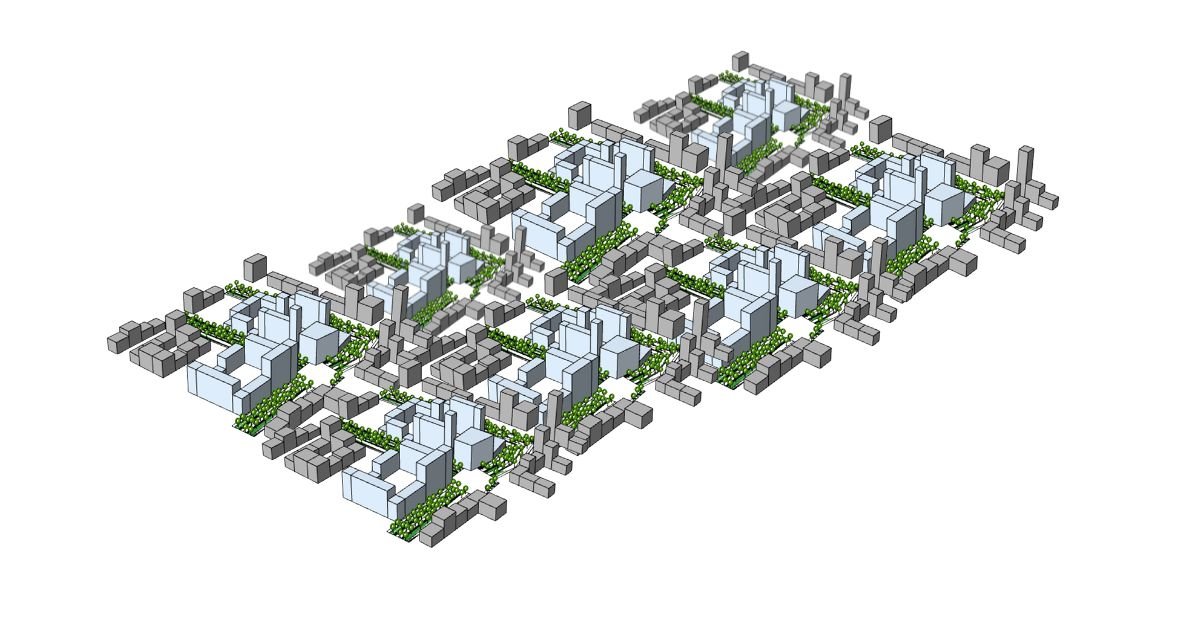
As we move into 2026, the Architecture, Engineering, and Construction (AEC) industry is witnessing a major transformation driven by AI-powered, data-centric, and fully integrated.
digital workflows. Computational design is no longer limited to generating complex geometries — it has evolved into a strategic framework that enhances efficiency, sustainability, and automated decision-making across projects.
From generative design algorithms and real-time performance simulation to digital twins and intelligent BIM integration, computational methodologies are redefining how buildings are conceived, analysed, and delivered. These emerging trends are reshaping architectural practices and creating new opportunities for professionals in the AEC sector.
Below are the key computational design trends that will define the future of AEC in 2026.
1. Trend: Integrated Project Management Solutions Transforming AEC in 2026
In 2026, Integrated Project Management Solutions have transformed from standalone software tools into fully connected, data-driven ecosystems that unify the entire Architecture, Engineering, and Construction (AEC) lifecycle. The industry is moving beyond basic digital adoption toward true digital integration — where design, planning, execution, and operations are seamlessly interconnected through a Single Source of Truth (SSOT).
This evolution enables all stakeholders — architects, engineers, contractors, consultants, and clients — to collaborate within a centralized, cloud-based environment that ensures real-time data synchronization, transparency, and accountability. Instead of fragmented workflows and isolated platforms, modern AEC firms now operate within integrated systems that align scheduling, cost management, BIM coordination, risk analysis, and performance tracking in one unified framework.
As project complexity increases in 2026, integrated project management solutions are no longer optional — they are a strategic necessity for delivering efficient, sustainable, and error-free construction outcomes.
2. Trend: Augmented Reality (AR) and Virtual Reality (VR) Transforming AEC in 2026
By 2026, Augmented Reality (AR) and Virtual Reality (VR)—collectively referred to as Extended Reality (XR)—have evolved from experimental visualization tools into core, strategic technologies within the Architecture, Engineering, and Construction (AEC) industry. These immersive technologies are transforming how projects are designed, reviewed, coordinated, and executed.
Modern AEC firms are integrating AR and VR with BIM and Digital Twin workflows, enabling stakeholders to interact with real-time 3D models through smartphones, tablets, and VR headsets. AR overlays digital construction data directly onto physical job sites, improving installation accuracy and reducing costly on-site errors. Meanwhile, VR enables immersive project walkthroughs, allowing clients, engineers, and contractors to experience spaces before construction begins.
In 2026, AR/VR is no longer just about visualization — it is about decision intelligence. These technologies enhance remote collaboration, accelerate design approvals, improve safety training simulations, and significantly reduce rework and project delays. As project complexity increases, immersive technology is becoming essential for delivering faster, safer, and more cost-efficient construction outcomes.
3. Trend: AI-Driven Collaboration and Connected Workflows in 2026
By 2026, collaboration in the Architecture, Engineering, and Construction (AEC) industry has evolved from a supportive function into a core operational strategy. Digital, data-driven collaboration is no longer optional — it has become a foundational requirement for project success. Increasing project complexity, tighter margins, global teams, and labor shortages are pushing firms to replace fragmented, manual workflows with unified, cloud-based collaboration ecosystems.
Modern AEC organizations now operate through integrated platforms that centralize communication, documentation, BIM coordination, scheduling, and real-time updates. AI-enabled systems assist in document processing, clash coordination, workflow automation, and cross-disciplinary data synchronization. These intelligent collaboration environments ensure that architects, engineers, contractors, and clients work from a shared digital environment with complete transparency.
Instead of reacting to problems, teams in 2026 use predictive, context-aware collaboration tools that reduce delays, minimize rework, and improve decision-making speed. For computational design firms, intelligent collaboration is not just about communication — it is about creating a connected, data-centric workflow that enhances efficiency, accountability, and project delivery performance.
Conclusion: The Future of Computational Design in AEC :
Computational Design is no longer just an emerging discipline — it has become a transformative force reshaping the Architecture, Engineering, and Construction (AEC) industry. As we move deeper into 2026, innovations such as AI-driven generative design, Digital Twins, integrated project management systems, immersive AR/VR technologies, and intelligent collaboration platforms are redefining how projects are conceived, analyzed, and delivered.
The architectural and structural landscape is rapidly evolving toward data-centric, automation-driven, and sustainability-focused workflows. Professionals who adapt to these advanced computational methodologies will lead the next generation of smart, efficient, and high-performance built environments.
If you are looking to build a successful career in Computational Design, BIM, or Structural Engineering, now is the time to upskill with industry-aligned, ISO 19650-compliant training programs.
The Five-hundred-meter Aperture Spherical Telescope (FAST), located in Guizhou Province, China, is the world’s largest single-dish radio telescope and a remarkable example of modern structural engineering. With a diameter of 500 meters, this mega project is built within a natural karst depression, allowing the structure to blend seamlessly with the surrounding landscape while achieving exceptional structural efficiency.
The telescope’s primary structure consists of a steel cable-net system supporting more than 4,000 triangular aluminium panels, forming a highly precise and adjustable reflecting surface. This innovative design enables the dish to change shape in real time, allowing it to track celestial objects with extreme accuracy. Suspended above the dish is a lightweight feed cabin, controlled by cables and robotic systems, demonstrating advanced engineering coordination and precision control.
FAST represents a milestone in large-span structural design, material optimization, and adaptive engineering systems. Beyond its scientific importance, the project showcases how structural innovation and natural terrain integration can overcome the challenges of building at unprecedented scales, making it one of the most impressive mega engineering achievements of the modern era.