
 Post by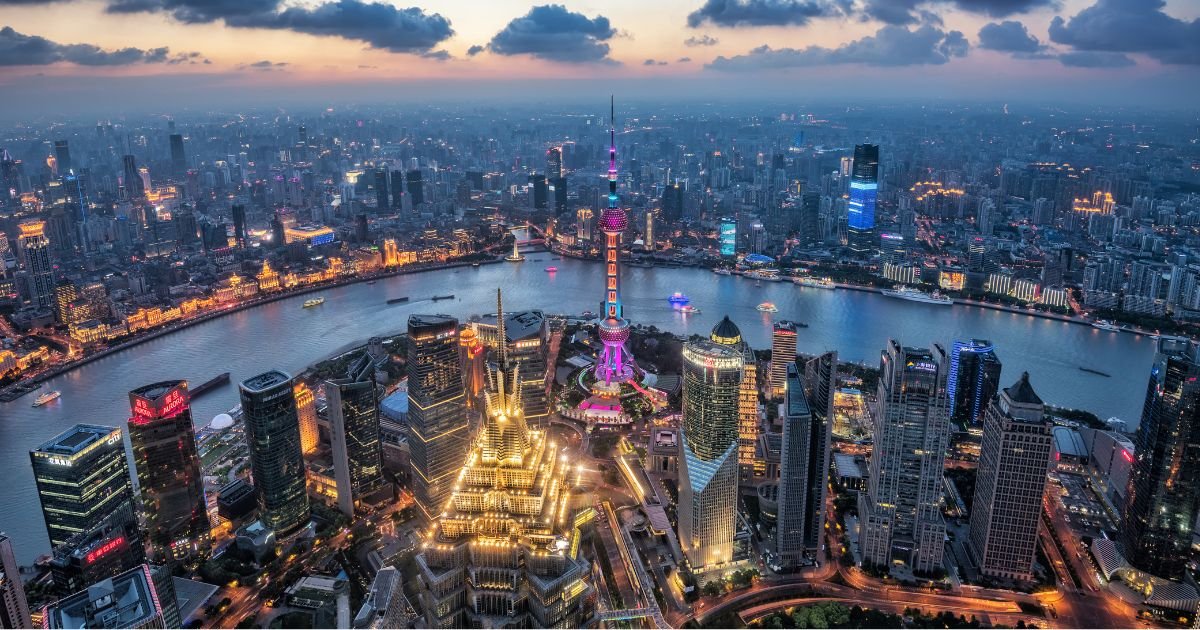
1 NEOM – The Line: A Revolutionary Structural Mega Project in Saudi Arabia
The Line is a futuristic linear city proposed under Saudi Arabia’s NEOM project. Unlike traditional cities that expand horizontally, it introduces a vertical and linear smart city concept based on “Zero Gravity Urbanism,” where urban functions are stacked vertically to reduce land use.
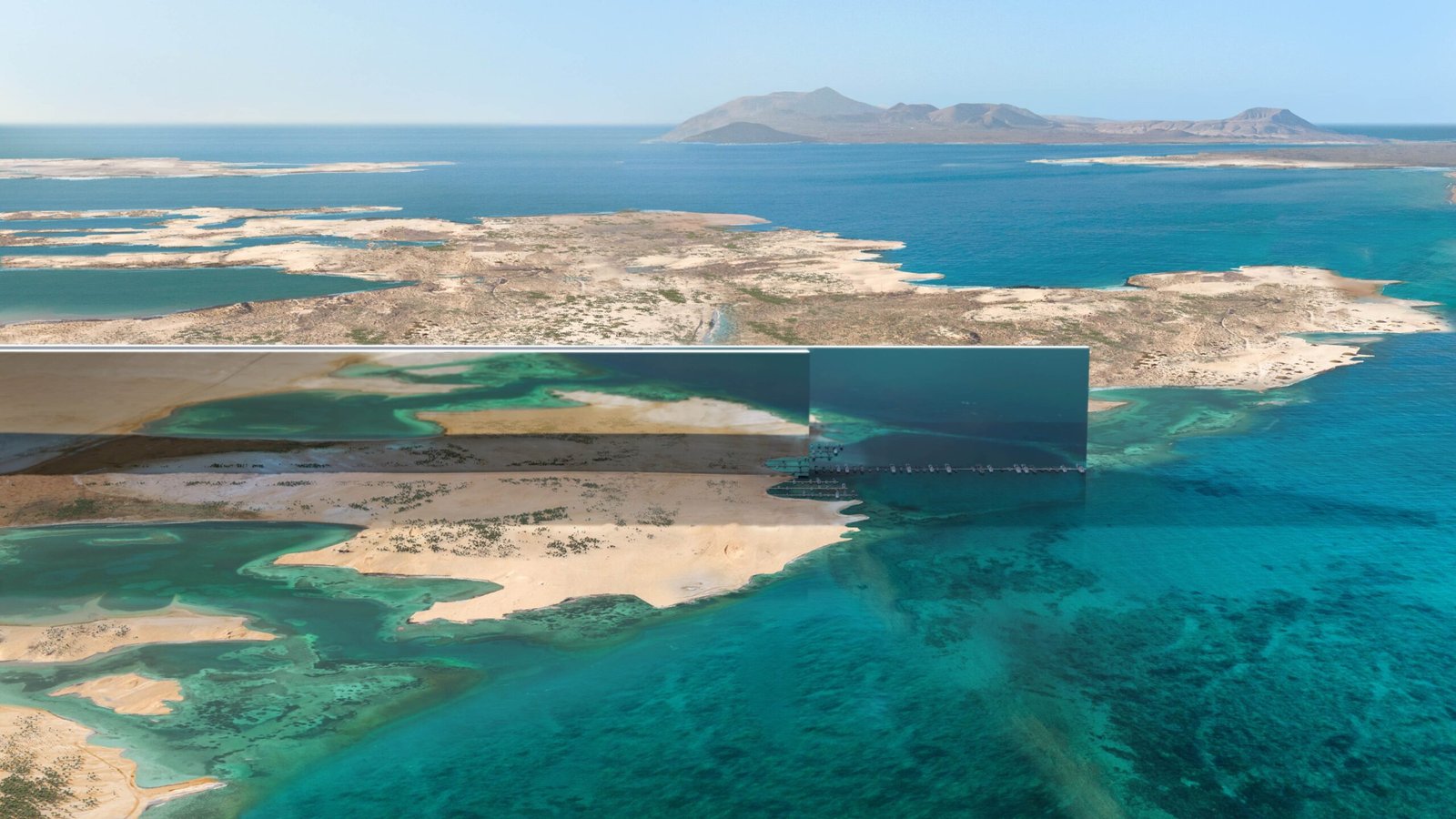
Stretching 170 kilometers from the Red Sea to Tabuk City, The Line is designed as a single building structure with a height of 500 meters and a width of 200 meters. Planned to accommodate around 9 million residents, the city will be completely car-free, powered by 100% renewable energy, and will preserve nearly 95% of the surrounding natural environment.
Architecturally, the project consists of two mirrored structures with an open central space that enhances natural ventilation and social interaction. With an estimated construction cost exceeding USD 100 billion, The Line stands as one of the most ambitious structural mega projects, redefining the future of urban planning and sustainable development.
2. The Sphere, Las Vegas (USA)
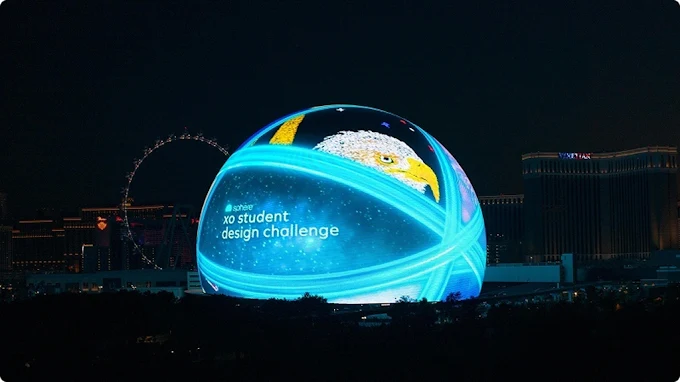
Designed by Populous, The Sphere (formerly known as MSG Sphere) is one of the world’s most innovative structural mega projects, located in Las Vegas, USA. The venue was officially opened to the public on September 29, 2023 and is recognized as the largest spherical structure ever built. Measuring approximately 112 metres in height and 157 metres in width, the Sphere represents a bold advancement in interactive and experiential architecture.
What makes the Sphere architecturally unique is its fully programmable exterior and interior, where both the exoskeleton and internal surfaces function as massive high-resolution LED screens. These screens are capable of displaying realistic 3D visuals, animations, and immersive video content, transforming the structure into a dynamic digital landmark.
With a seating capacity of around 18,600 people, the Sphere is engineered to deliver an unparalleled live experience. Advanced haptic technology integrated into the seating, combined with a state-of-the-art sound system and motion effects, enhances sound, vibration, and spatial immersion. As a result, the Sphere sets a new benchmark in structural design by seamlessly merging architecture, technology, and entertainment into a single immersive environment.
3. Hong Kong–Zhuhai–Macau Bridge (China)
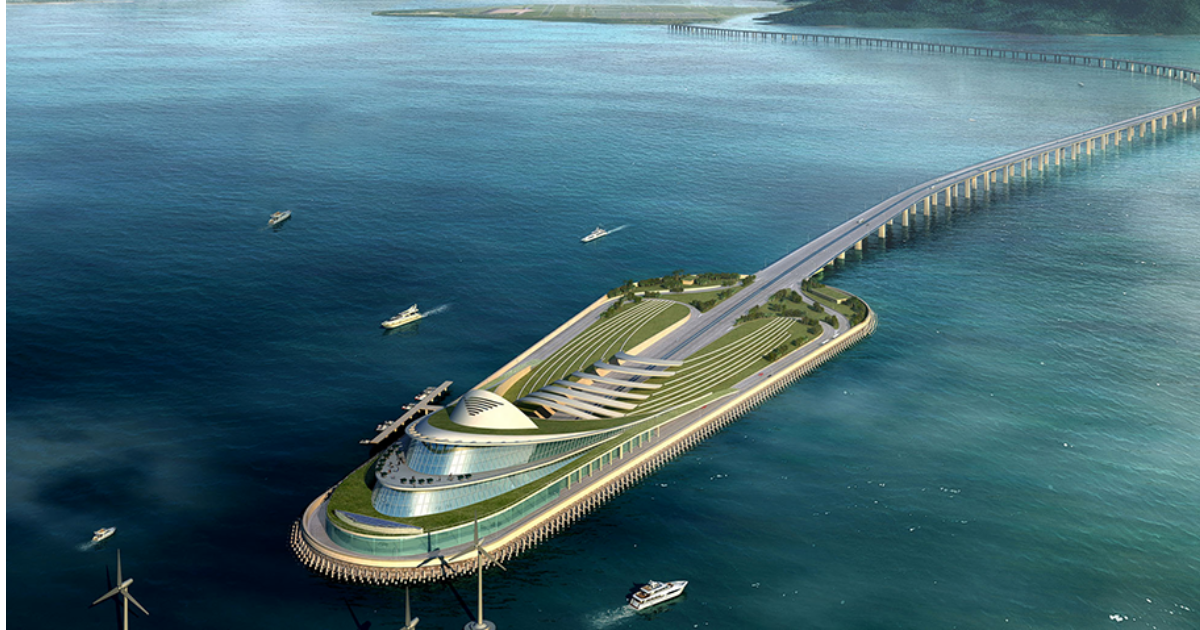
The Hong Kong–Zhuhai–Macau Bridge (HZMB) is a 55-kilometer-long sea-crossing bridge-tunnel system, connecting Hong Kong, Zhuhai, and Macau in China’s Pearl River Delta. Opened in 2018, it is the world’s longest sea bridge-tunnel system, serving as a crucial transport link and gateway to the Greater Bay Area.
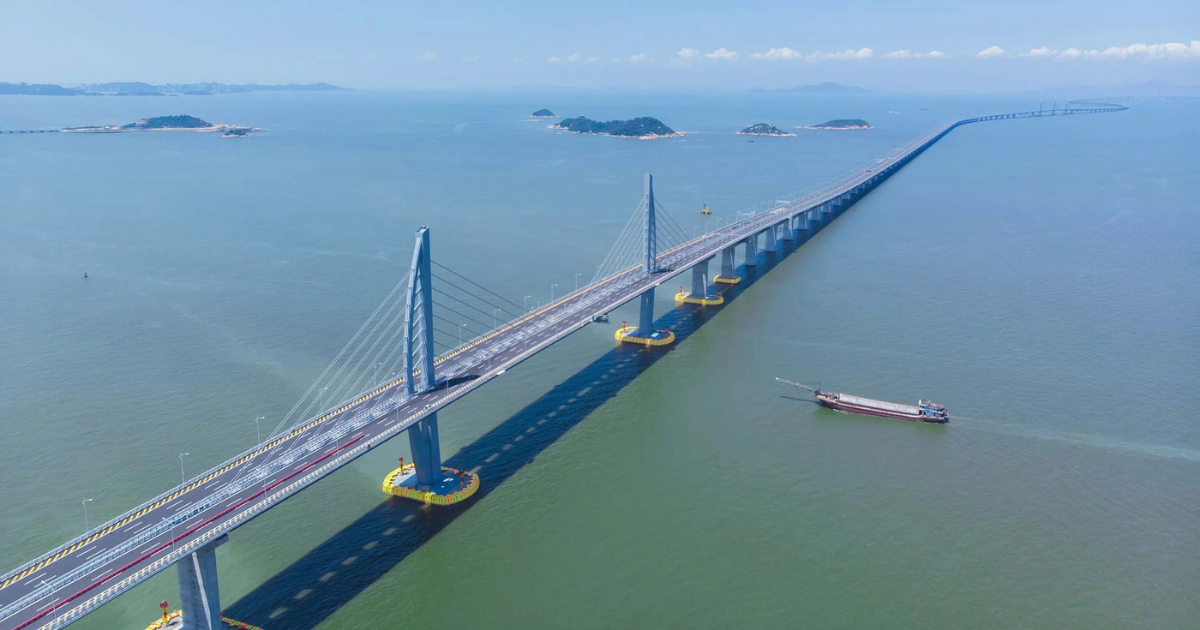
Engineered to withstand typhoons, earthquakes, and marine challenges, the bridge consists of cable-stayed spans, artificial islands, and an immersed undersea tunnel. It significantly reduces travel time, supports buses and private vehicles, and showcases excellence in structural, marine, and transportation engineering.
4. Palm Jumeirah, Dubai (UAE)
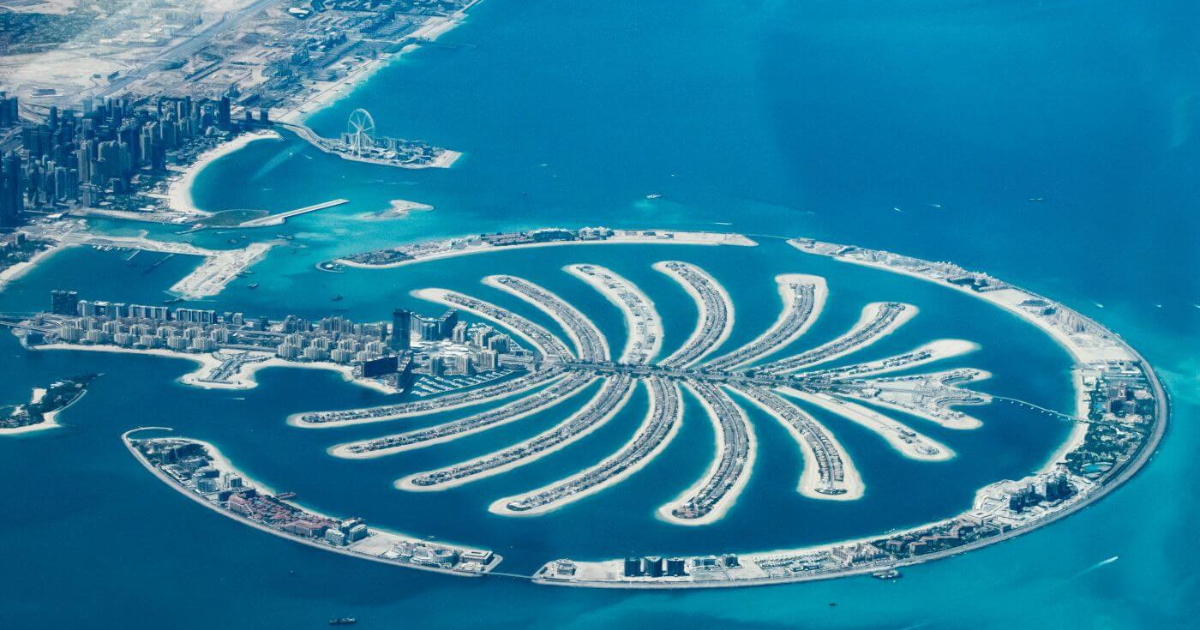
Palm Jumeirah is a world-famous archipelago of artificial islands located off the coast of Jumeirah, Dubai. Shaped like a palm tree, the development consists of a trunk, a crescent, and 17 fronds, maximizing waterfront properties while creating a visually stunning landmark. Covering approximately 5.6 km² with over 17 kilometers of coastline, Palm Jumeirah is one of the largest man-made islands globally and a true example of mega infrastructure and engineering innovation.
The island was designed not only for aesthetics but also for practical functionality, providing luxury living spaces, recreational areas, and extensive beachfront properties. A complex network of roads and tunnels connects the island to the mainland, ensuring smooth transportation and supporting urban growth.
During construction, engineers used millions of cubic meters of sand reclaimed from the seabed to build a stable foundation, alongside protective breakwaters to withstand harsh marine conditions. Palm Jumeirah stands as a testament to human ingenuity, architectural excellence, and structural engineering, significantly contributing to Dubai’s economy, tourism, and urban development.
5. Shanghai Tower, China
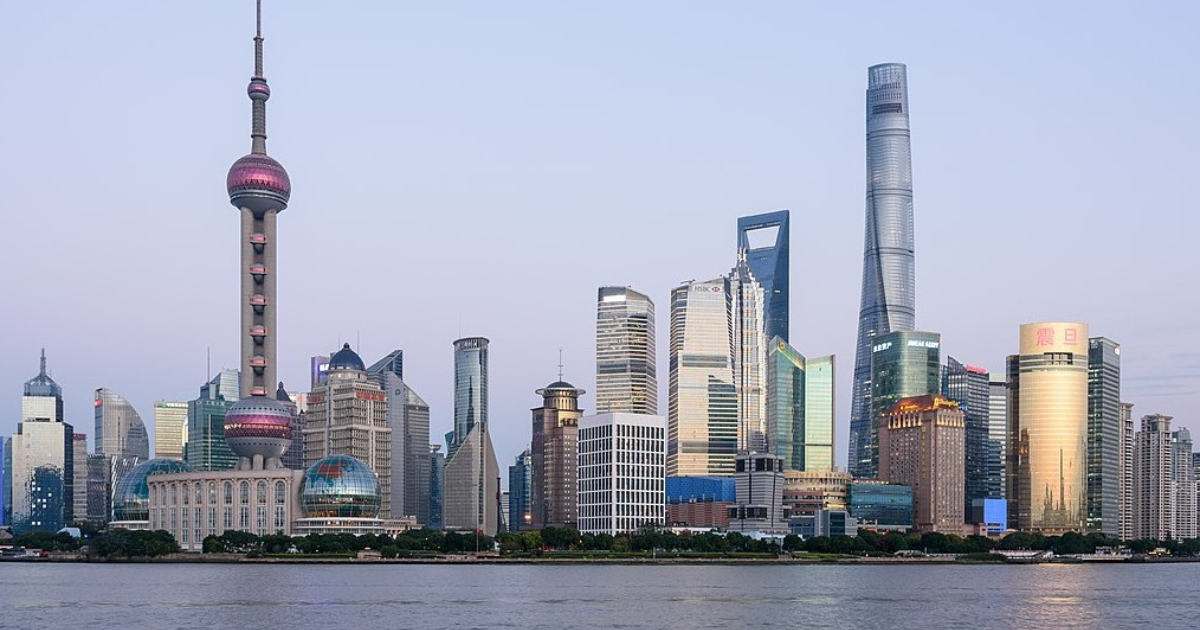
The Shanghai Tower soars 632 meters (2,073 feet) above Shanghai’s Pudong district, making it China’s tallest building and the second-tallest skyscraper in the world. Completed in 2015, the tower spans 128 floors and functions as a “vertical city,” housing offices, hotels, observation decks, and retail spaces.
Inspired by traditional Chinese symbols—a pagoda, bamboo shoot, and vase—the tower features a twisting glass façade that spirals around its structure, giving it a dynamic appearance while reducing wind loads. The building’s core is constructed from nine cylindrical steel tubes interconnected with outriggers and diagonal braces, a structural system designed to ensure stability against strong winds and earthquakes.
Shanghai Tower also emphasizes sustainability, incorporating a double-skin exterior, advanced energy systems, and environmentally friendly technologies, earning LEED Platinum certification. With its combination of architectural innovation, structural excellence, and sustainable design, Shanghai Tower is a benchmark for modern skyscraper engineering and urban development.
6. Millau Viaduct, France
The Millau Viaduct is one of the most remarkable modern engineering feats in the world. Located in southern France, this cable-stayed bridge spans 2,460 meters across the Tarn River Valley and reaches a height of 343 meters, making it the tallest bridge in the world. It connects the cities of Clermont-Ferrand and Béziers, serving as a critical transport link between Paris and the Mediterranean coast. Designed by French structural engineer Michel Virlogeux and British architect Norman Foster, the bridge combines structural ingenuity with architectural elegance, seamlessly integrating with the surrounding natural landscape. Its seven concrete piers support a continuous hollow steel deck, which is suspended by cable stays from tall steel pylons.
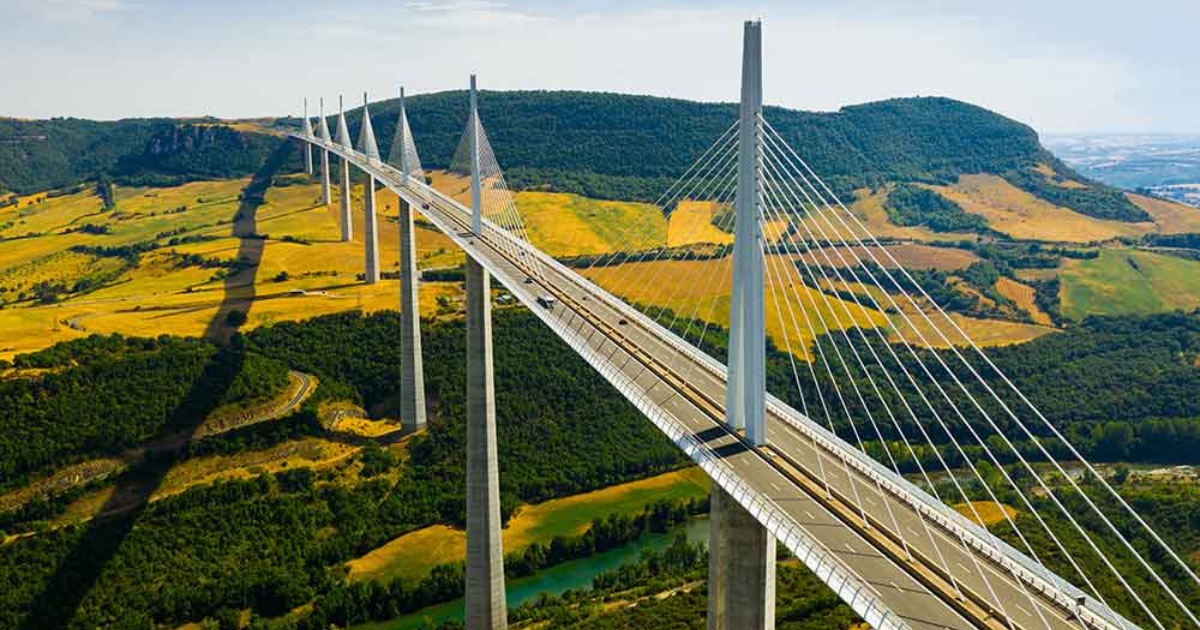
The Millau Viaduct is one of the most remarkable modern engineering feats in the world. Located in southern France, this cable-stayed bridge spans 2,460 meters across the Tarn River Valley and reaches a height of 343 meters, making it the tallest bridge in the world. It connects the cities of Clermont-Ferrand and Béziers, serving as a critical transport link between Paris and the Mediterranean coast. Designed by French structural engineer Michel Virlogeux and British architect Norman Foster, the bridge combines structural ingenuity with architectural elegance, seamlessly integrating with the surrounding natural landscape. Its seven concrete piers support a continuous hollow steel deck, which is suspended by cable stays from tall steel pylons.
7. Three Gorges Dam, China
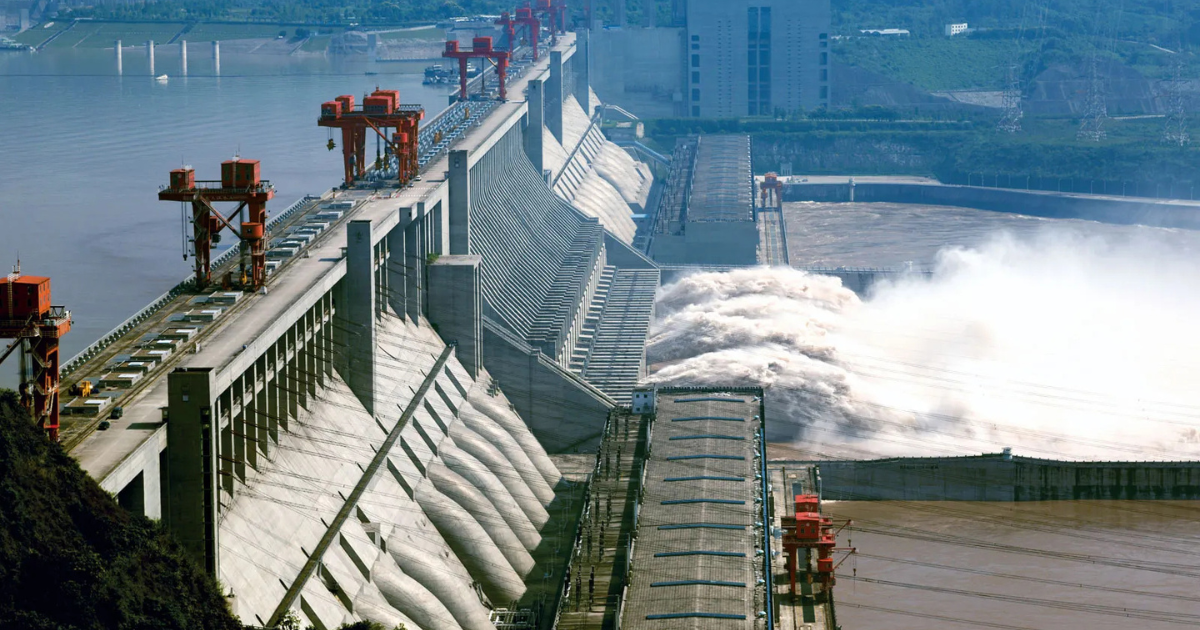
The Three Gorges Dam is the largest hydroelectric power project in the world, located on the Yangtze River in China. This mega engineering structure represents one of the most ambitious infrastructure developments ever undertaken in human history. Designed for flood control, power generation, and navigation improvement, the dam plays a vital role in China’s energy and economic system.
The dam is a concrete gravity structure equipped with massive turbines capable of generating gigawatts of renewable electricity, supplying clean energy to millions of homes and industries. Along with power production, the project includes ship locks and a vertical ship lift system, enabling smooth river transportation across the dam and improving inland waterway connectivity.
From a structural engineering perspective, the Three Gorges Dam showcases advanced material engineering, large-scale concrete construction, seismic-resistant design, and hydraulic engineering innovation. Beyond its technical scale, the project symbolizes how modern engineering can reshape natural landscapes to meet growing energy demands while promoting sustainable infrastructure development.
8.FAST Telescope (China)
The Five-hundred-meter Aperture Spherical Telescope (FAST), located in Guizhou Province, China, is the world’s largest single-dish radio telescope and a remarkable example of modern structural engineering. With a diameter of 500 meters, this mega project is built within a natural karst depression, allowing the structure to blend seamlessly with the surrounding landscape while achieving exceptional structural efficiency.
The telescope’s primary structure consists of a steel cable-net system supporting more than 4,000 triangular aluminium panels, forming a highly precise and adjustable reflecting surface. This innovative design enables the dish to change shape in real time, allowing it to track celestial objects with extreme accuracy. Suspended above the dish is a lightweight feed cabin, controlled by cables and robotic systems, demonstrating advanced engineering coordination and precision control.
FAST represents a milestone in large-span structural design, material optimization, and adaptive engineering systems. Beyond its scientific importance, the project showcases how structural innovation and natural terrain integration can overcome the challenges of building at unprecedented scales, making it one of the most impressive mega engineering achievements of the modern era.