 Post by
In 2026, the civil engineering and construction industry is undergoing a major digital transformation, where advanced technologies are no longer optional but essential to modern projects. The integration of automation, AI-driven intelligence, and sustainable construction practices is redefining the sector by addressing labour shortages, enhancing site safety, improving project efficiency, and meeting strict carbon-reduction targets. This shift is driving innovation in civil engineering research and shaping the development of smarter, more resilient, and future-ready infrastructure.
1. Multidisciplinary Collaboration Using Building Information Modeling (BIM)
The AEC industry involves multiple disciplines within a single project, making coordination and information management a complex challenge. Civil engineers, architects, MEP and HVAC consultants, contractors, subcontractors, and clients must work together efficiently to ensure project success. Without an integrated system, managing collaboration across these disciplines can become a project challenge in itself. The adoption of advanced construction technologies has significantly reduced this complexity. Building Information Modeling (BIM) enables seamless multidisciplinary collaboration by allowing all stakeholders to work on a shared digital model. Through cloud-based BIM platforms, design updates, modifications, and improvements can be accessed in real time, ensuring transparency and coordination from project conception to construction and operations.

BIM has emerged as the backbone of collaboration in the AEC industry. It minimizes design conflicts, enhances communication, and improves overall project efficiency by enabling. engineers, architects, and contractors to coordinate within a single virtual environment. Cloud-based coordination tools further support instant tracking of changes, leading to smoother workflows and better decision-making. In large-scale infrastructure projects such as metro rail systems and airports, BIM has become essential for effective coordination among multiple disciplines. Looking ahead, the integration of BIM with artificial intelligence and digital twin technology is expected to transform project delivery by enabling predictive maintenance, performance optimization, and long-term asset management beyond project completion.
2. Extending Reality in Civil Engineering : Augmented Reality (AR) and Virtual Reality (VR)
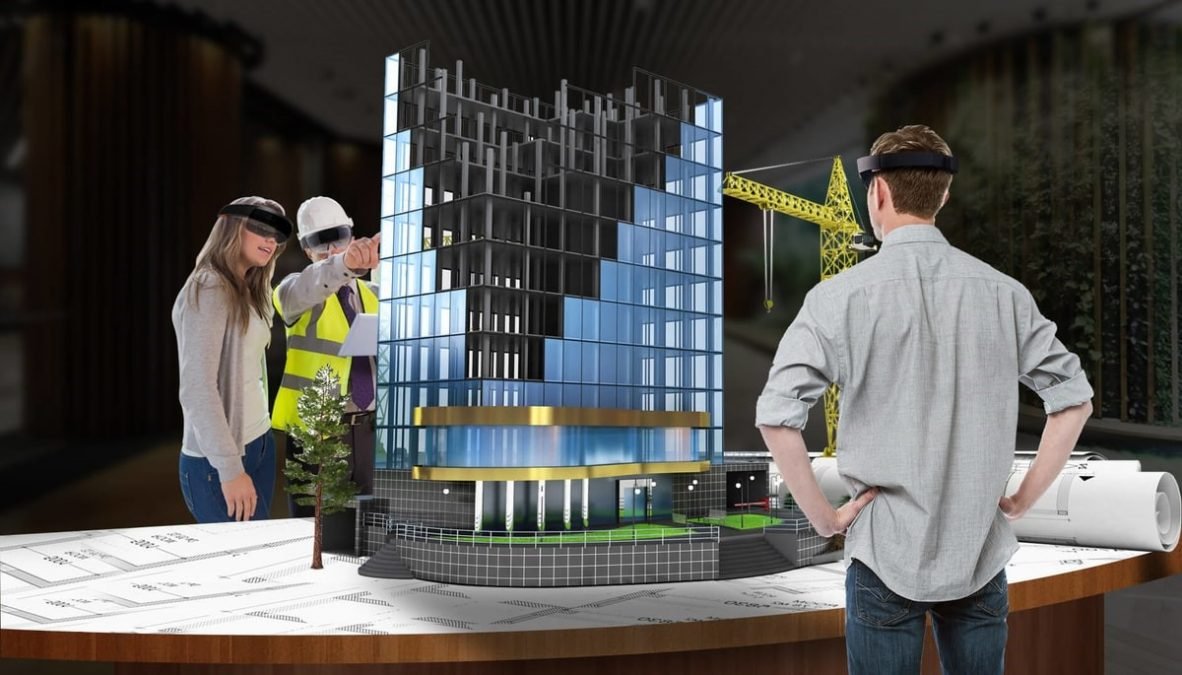
In recent years, Augmented Reality (AR) and Virtual Reality (VR) have emerged as powerful tools in the civil engineering and construction sector. These technologies are changing the way projects are visualized and planned by bridging the gap between digital designs and real-world execution. AR enables engineers to superimpose digital models and data onto physical sites, helping teams understand design intent and site conditions even before construction activities begin. VR, meanwhile, provides an immersive digital experience where users can explore and interact with a project in a completely virtual environment.
When integrated with Building Information Modeling (BIM), AR and VR further enhance project coordination and communication. Detailed BIM models can be experienced through VR, allowing clients and project stakeholders to virtually navigate spaces, review design elements, and detect potential issues at an early stage. This approach improves clarity, builds stakeholder confidence, and supports more informed decision-making before construction starts.
The use of AR and VR contributes to reduced design conflicts, lower rework, and faster approval processes by offering better visualization and real-time collaboration. By 2026, these immersive technologies are expected to become widely adopted for pre-construction planning, safety simulations, and team training, establishing AR and VR as essential tools in the delivery of efficient, accurate, and future-ready civil engineering projects.
3. Role of Prefabrication and 3D Printing in Advanced Construction
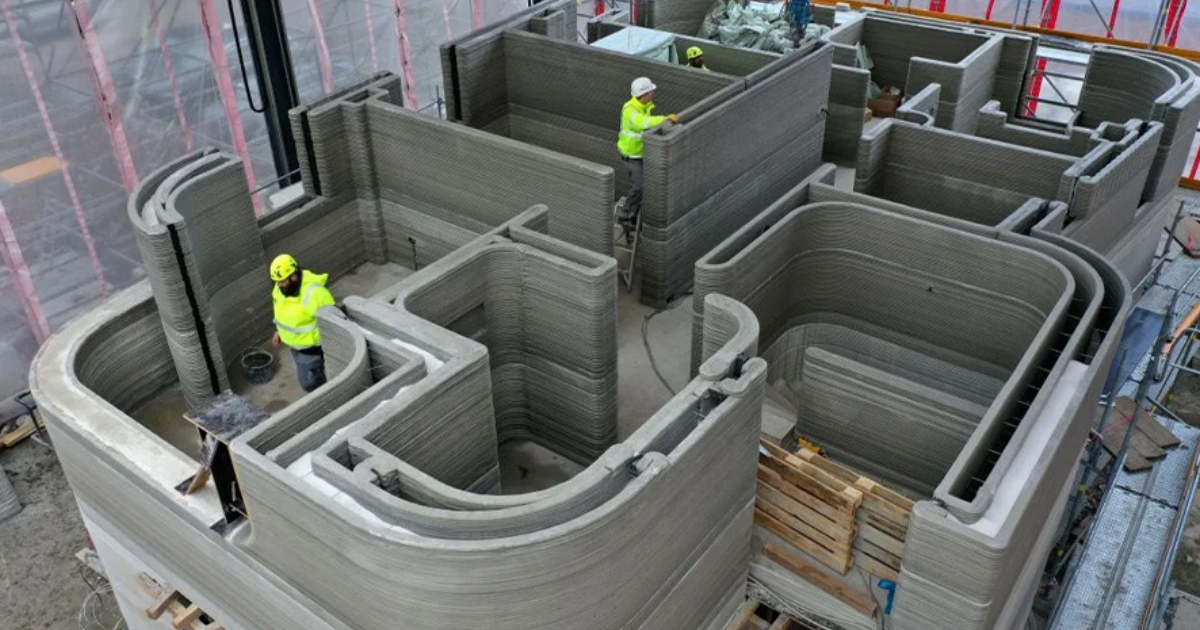
Construction innovation is no longer limited to off-site manufacturing alone; modern technologies are now actively transforming on-site execution as well. Over the past decade, prefabrication has gained significant momentum in civil engineering projects due to its efficiency, quality control, and speed of delivery. With the support of BIM during the planning and detailing stages, project teams can evaluate design options, material choices, and prefabrication possibilities much earlier in the project lifecycle, leading to better coordination and reduced delays.
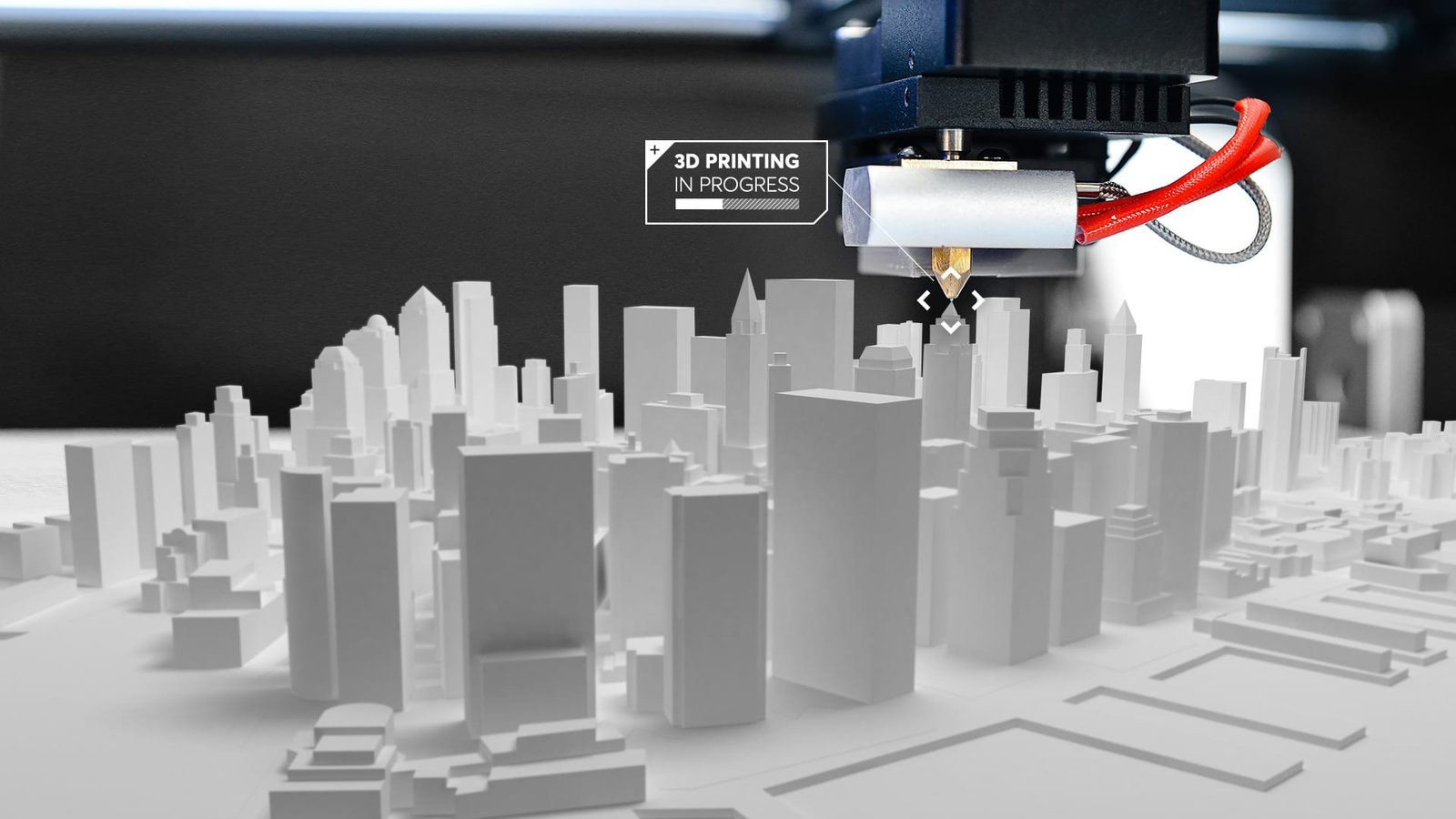
cost-effective, and more sustainable building solutions. From modular housing to complex structural components, 3D printing allows precise fabrication with minimal material waste. As digital fabrication technologies continue to evolve, prefabrication and 3D printing are expected to play a dominant role in future infrastructure development. By combining automated manufacturing, BIM-driven design accuracy, and sustainable construction practices, these methods are reshaping how civil engineering projects are planned and delivered.
4. Use of Advanced Materials in Modern Civil Engineering
Rapid technological progress, evolving construction practices, and the growing impact of climate change have accelerated the development of advanced materials in civil engineering. To meet sustainability goals and performance demands, the construction industry is increasingly adopting innovative materials that reduce environmental impact while enhancing structural strength and durability. Many of these materials are already being implemented across infrastructure projects worldwide. One of the most significant trends is the reuse of waste materials that were once difficult to dispose of. Recycled plastics are now being incorporated into asphalt roads and 3D-printed construction elements, helping reduce landfill waste while improving material performance. Similarly, carbon dioxide captured as an industrial by-product is being injected into concrete during the curing process, where it reacts chemically to form limestone nanoparticles, resulting in higher compressive strength and reduced carbon emissions.

Another breakthrough innovation is self-healing concrete, which enhances the lifespan of structures by automatically repairing micro-cracks. This material uses bacteria that activate in the presence of moisture, producing calcite that seals cracks before they expand into major structural issues. Such technologies significantly reduce maintenance costs and improve long-term durability.
Beyond conventional materials, emerging concepts such as energy-generating pavements, shape-changing 4D-printed structures, and air-purifying building surfaces are redefining the future of construction. As material science continues to advance, the industry is expected to move toward carbon-neutral materials and circular construction systems that prioritize reuse, efficiency, and environmental responsibility.
5. Automation and Machine Interventions in Modern Construction
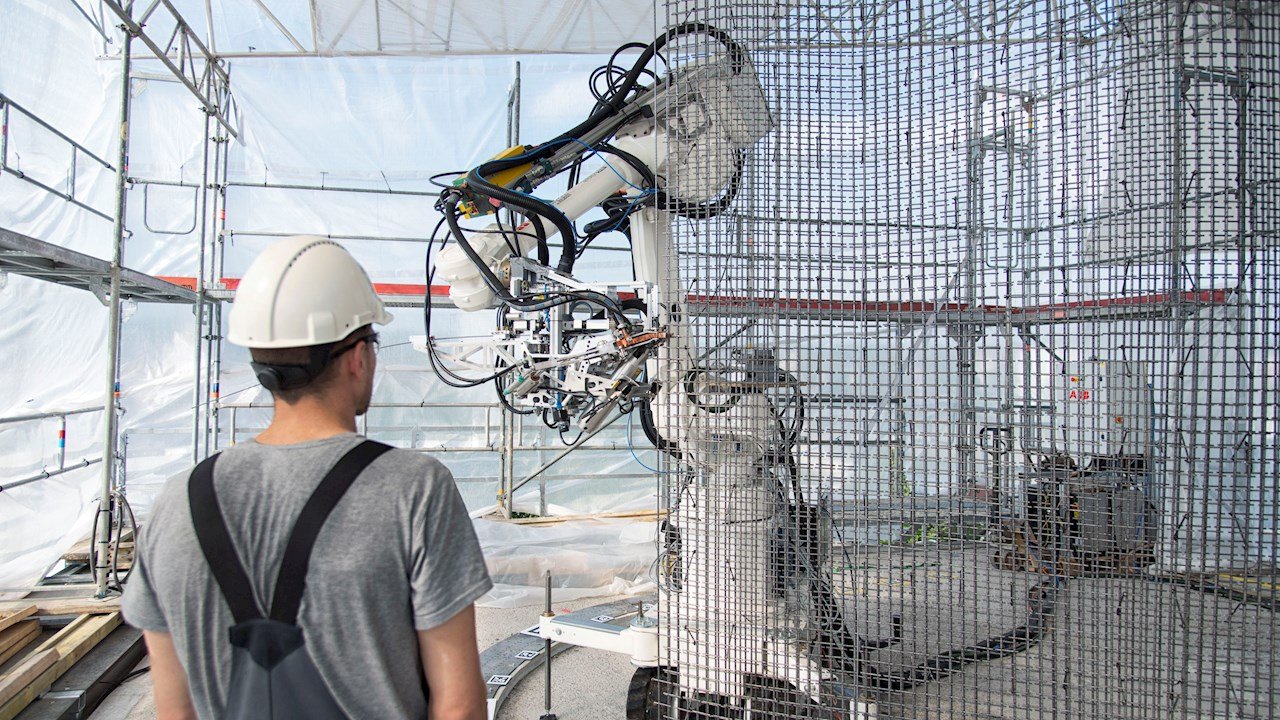
Automation and machine interventions are transforming modern construction sites by reducing labour-intensive tasks and enhancing safety. Exoskeletons, wearable suits for construction workers, help reduce physical strain, prevent injuries from heavy lifting or repetitive motions, and improve mobility for tasks such as overhead work.

Meanwhile, robotic systems are increasingly being used to automate repetitive or hazardous tasks like bricklaying, welding, and rebar tying, minimizing the need for direct human involvement. Together, exoskeletons and robots represent a broader trend of construction automation that boosts productivity, optimizes workflows, and ensures worker well-being. Looking ahead, AI-driven monitoring and control systems are expected to take automation to the next level, enabling real-time decision-making, resource optimization, and safer, more efficient construction projects.
6. Building Sustainably : Trends and Practices in Modern Civil Engineering
Sustainable construction is now at the forefront of modern civil engineering. Engineers are increasingly integrating renewable and eco-friendly materials, energy-efficient designs, and intelligent building systems powered by smart grids to reduce carbon footprints and enhance building performance. Advanced solutions such as double-skin facades, photovoltaic (PV) panels, and energy-monitoring systems are improving efficiency while promoting sustainability. Spatial planning and lifecycle thinking ensure that buildings are designed for long-term resilience and minimal environmental impact.
Building Information Modeling (BIM) plays a critical role in sustainable construction, allowing engineers and architects to analyse energy use, optimize materials, and plan renewable integration from the early design stages. Looking ahead, the future of civil engineering is focused on net-zero energy buildings, circular construction practices, and intelligent grids that balance energy demand with renewable supply, creating smarter, greener, and more resilient infrastructure for 2026 and beyond.
7. Smart Designs in Civil Engineering : Innovation and Efficiency
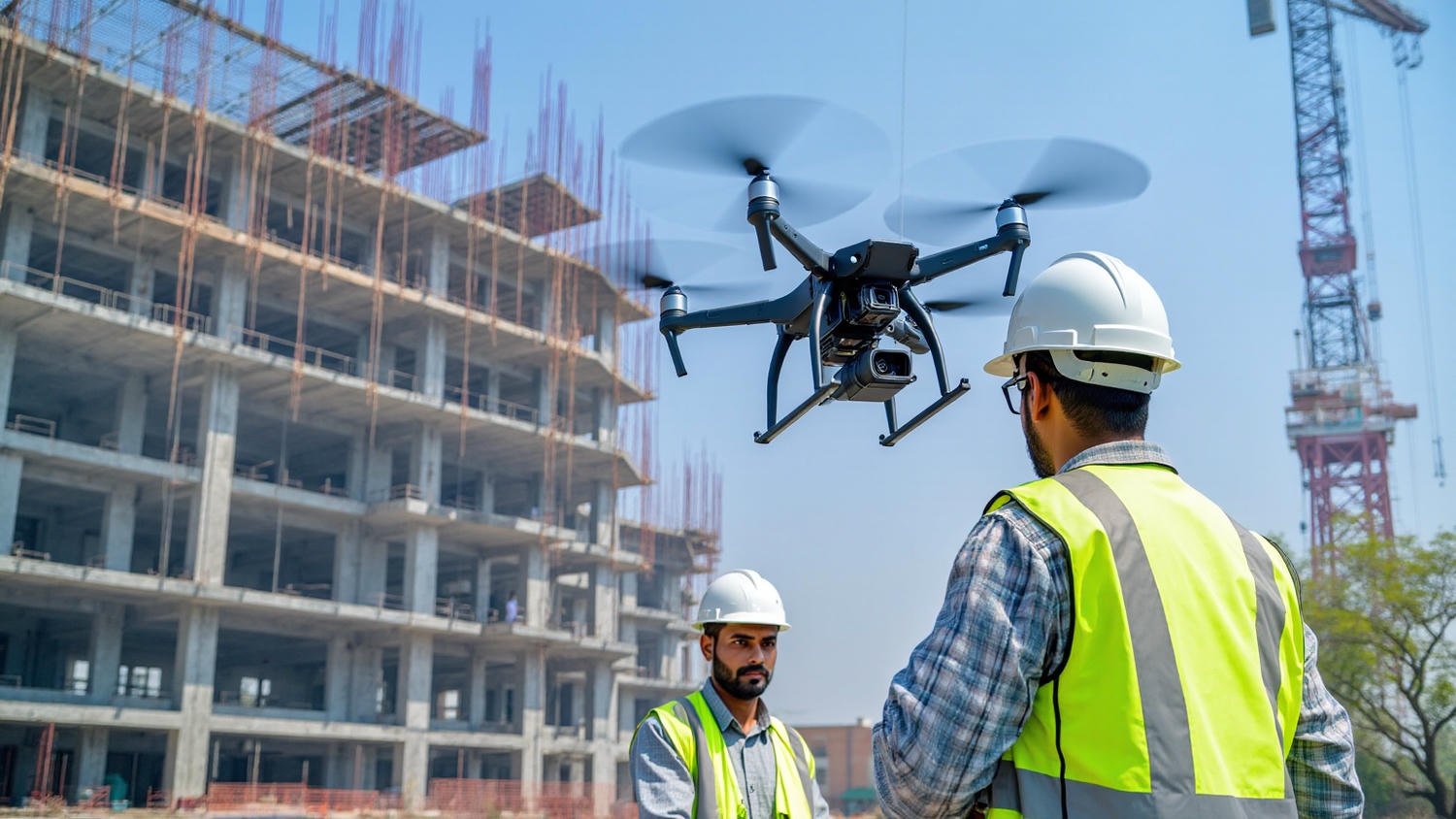
Smart designs in civil engineering leverage cutting-edge technologies such as Artificial Intelligence (AI), Machine Learning, the Internet of Things (IoT), and Unmanned Aerial Vehicles (UAVs or drones) to create more efficient, resilient, and adaptive infrastructure. Drones are used for precise site surveys, AI predicts risks and optimizes design decisions, while IoT sensors monitor structural performance in real time.
This interconnected network enables data-driven decision-making, improving safety, productivity, and quality in construction projects. In smart housing and urban development, IoT systems collect and analyse data from sensors to optimize energy usage, monitor performance, and support future improvements. By integrating these technologies, civil engineers are creating intelligent structures and communities that are sustainable, responsive, and ready for the demands of 2026 and beyond.
8. AI and Predictive Analytics in Modern Construction Projects

By 2026, predictive modeling and AI-driven analytics are expected to become standard tools in civil engineering. Advanced algorithms will continuously monitor ongoing projects, predict maintenance needs, and suggest proactive solutions to prevent issues before they arise. Integration with IoT sensors, smart construction equipment, and BIM platforms will allow real-time insights, enabling engineers to make informed decisions and optimize resource allocation. The result will be smarter, safer, and more sustainable construction projects that meet the growing demands of efficiency and resilience in the industry.
Final Conclusion!
In 2026, civil engineering is evolving at the intersection of technology, sustainability, and innovation, shaping smarter, greener, and more resilient infrastructure. From BIM-enabled collaboration and AI-driven planning to digital twins and advanced materials, the field is rapidly transforming the way projects are designed, executed, and maintained. Adopting these trends not only enhances project efficiency and sustainability but also opens better career opportunities for professionals in the industry. Knowledge of BIM, AI, and modern construction technologies equips engineers with a competitive edge, often leading to faster career growth and higher earning potential. Did you know that professionals skilled in BIM and digital construction tools can earn up to 40% more than their peers?

Contact Us!