
 Post by
If you are wondering how to become a design engineer in 2026, understanding both core engineering concepts and modern tools like Building Information Modeling (BIM) and Artificial Intelligence (AI) is essential. Today’s design engineers are expected to go beyond traditional calculation methods and adopt digital workflows that improve accuracy, efficiency, and coordination. A strong foundation in engineering principles, combined with practical software knowledge and continuous skill upgradation, plays a key role in building a successful design engineering career.
Who Are Design Engineers and What Do They Do?
Design engineers are specialized professionals who act as the bridge between concept and reality, responsible for researching, planning, and creating technical designs for systems, machinery, and products. They apply engineering principles, scientific knowledge, and advanced software to ensure these designs are safe, cost-effective, and functional.
Skills Required to Become a Design Engineer?
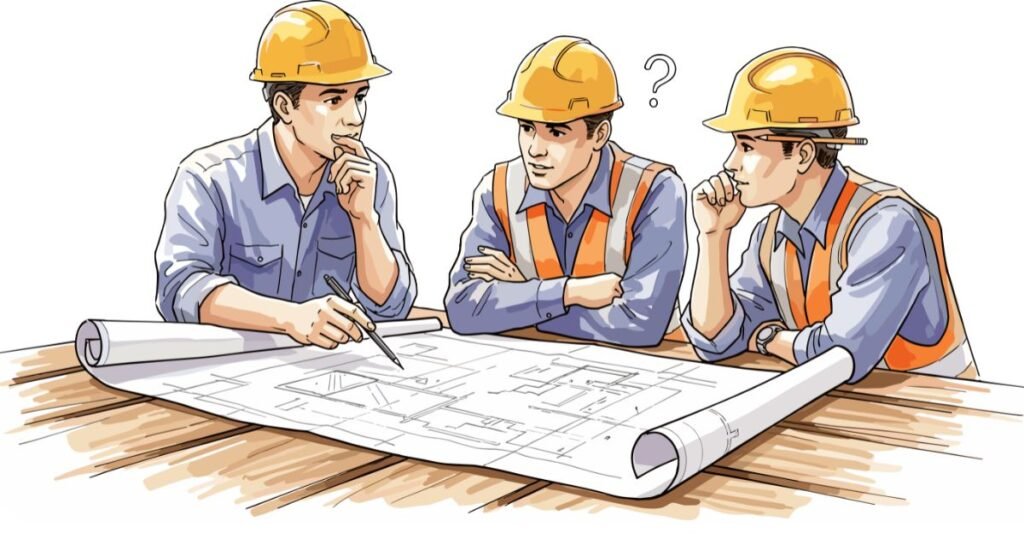
To be a civil or structural design engineer, having relevant education and professional training is essential. A degree in civil engineering is the basic requirement to start a career in design engineering. Along with academic knowledge, proficiency in industry-standard design and BIM software such as AutoCAD, ETABS, SAFE, STAAD Pro, Revit Structure, and BIM coordination tools is crucial. These tools help engineers create accurate structural designs, perform analysis, and develop coordinated models that meet industry standards. Continuous skill upgradation through practical training and real-world projects further enhances career opportunities in design engineering.
A Career in Design Engineering After Civil Engineering
Are you still wondering if a career in design engineering is right for you? Don’t worry — we’re here to help! With the right skills and training, a civil engineer can explore a variety of rewarding design roles. At Structurex, we guide you to become industry-ready, giving you hands-on experience with software like AutoCAD, ETABS, SAFE, STAAD Pro, Revit Structure, and BIM coordination tools. Here are some of the job roles you can pursue as a design engineer:
1. Building Design Engineer

Civil engineering, after military engineering, is one of the oldest engineering disciplines. It focuses on designing, constructing, and maintaining the built environment, including public infrastructure such as roads, highways, bridges, dams, railways, and drainage systems.A specialised area within civil engineering is structural or building design engineering. This involves using advanced methods and tools to ensure that a building or structure is safe, strong, and economical. A structural engineer analyses how internal and external forces affect a structure and selects the most appropriate materials and reinforcements to meet all requirements, from client needs to government regulations. Building design engineers work closely with architects. While architects focus on making buildings functional and visually appealing, structural engineers ensure these buildings are durable, stable, and safe. At Structurex, our training helps you understand this collaboration and equips you with hands-on experience using tools like AutoCAD, ETABS, SAFE, STAAD Pro, Revit Structure, and BIM coordination software, preparing you to design real-world structures efficiently and accurately.
Join our course to become building design engineer
PG in High Rise & Tall Structure
Duration: 6 Months
Mode: E classroom
Hour: 140+
Description: Analysis, Design & Documentation
PG in RCC Structure & BIM Technology
Duration: 8 Months
Mode: E classroom
Hour: 180+
Description: Analysis, Design, BIM & Documentation
2. Steel Design Engineer
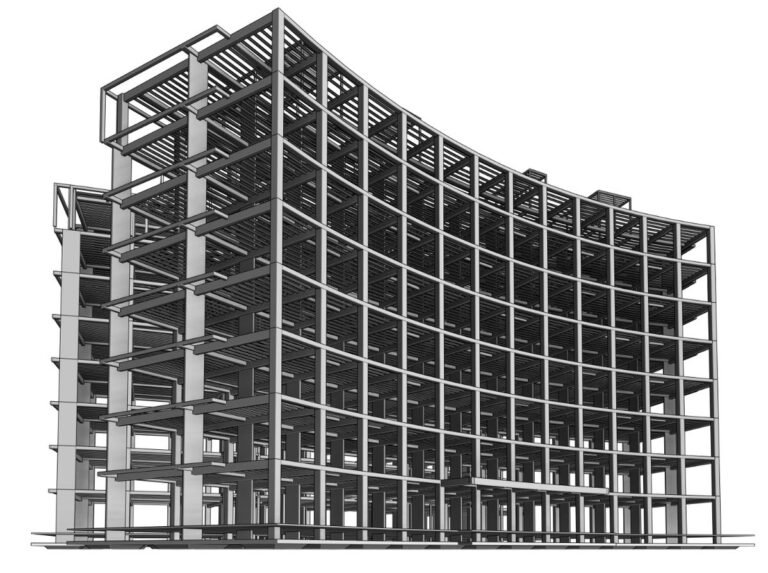
A Steel Structure Design Engineer is a specialized civil engineering professional focused on the planning, analysis, and design of steel-based structures, including high-rise buildings, industrial facilities, bridges, and infrastructure projects. They ensure structural integrity, safety, and durability by applying advanced engineering principles, complying with international codes like AISC, and optimizing material usage for cost-effective and sustainable designs. Modern steel structure design heavily relies on structural analysis and BIM software such as STAAD Pro, Tekla Structures, ETABS, SAFE, AutoCAD, and Revit Structure. These tools help engineers create accurate models, simulate real-world loads, and detect clashes before construction begins, reducing errors and saving time. At Structurex, our training programs equip aspiring engineers with hands-on experience in steel structure design, BIM coordination, and project management, preparing them to take on professional roles confidently in the construction and infrastructure industry.
Join our course to become Steel design engineer
PG in Steel Structure & BIM Technology
Duration: 6 Months
Mode: E classroom
Hour: 140+
Description: Analysis, Design & Documentation
3. Bridge Design Engineer
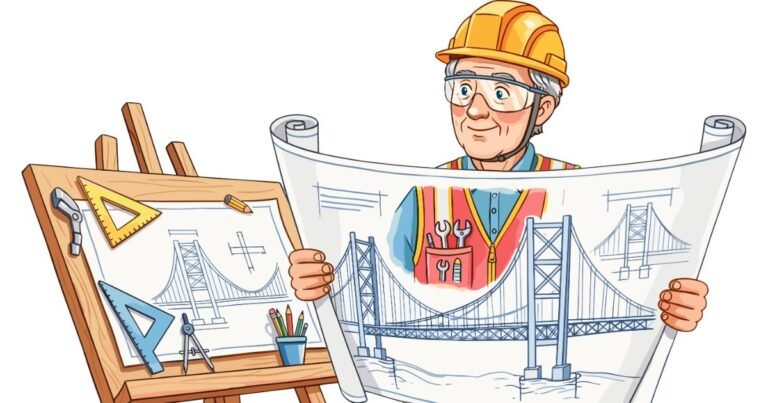
To plan a bridge design, a civil engineer must go through an extensive learning process, researching and studying various bridges. They need to understand which type of bridge is most suitable for the project, whether it’s a beam bridge, arch bridge, or suspension bridge. In addition, the engineer must consider the impact of foundation conditions, span lengths, and structural systems on the overall design. This makes the role of a bridge design engineer highly specialized, requiring both technical knowledge and practical experience to ensure safety, durability, and cost-effective solutions. At Structurex, our training programs provide hands-on experience with tools like STAAD Pro, ETABS, SAFE, and Revit Structure, helping aspiring engineers master modern bridge design techniques and real-world applications.
Join our course to become Bridge design engineer
PG in Bridge Design & BrIM Technology
Duration: 8 Months
Mode: E classroom
Hour: 180+
Description: Analysis, Design & Documentation
4. Highway Design Engineer

A Highway Design Engineer is a civil engineering specialist focusing on planning, designing, and analysing road infrastructure to ensure safety, durability, and efficiency, using software like AutoCAD/Civil 3D for geometric design, pavement analysis, traffic flow, and sustainability, integrating aspects like terrain, soil, and environmental impact into creating functional transport networks. They create detailed road layouts, optimize intersections, select materials, manage drainage, and oversee construction, collaborating with various stakeholders for complete project lifecycle management. At Structurex, our training programs provide practical experience in highway design, structural analysis, and BIM-based projects, preparing aspiring engineers for professional roles in road and infrastructure development.
Join our course to become Highway design engineer
PG in Highway & Infrastructure Design
Duration: 6 Months
Mode: E classroom
Hour: 120+
Description: Analysis, Design & Documentation
5. Geotechnical Engineer
Geotechnical engineering, a vital branch of civil engineering focuses on soil, rock, and water to ensure stable foundations for infrastructure like roads, metros, and high-rises, with booming demand in India due to rapid development. To become one, you need an engineering degree, practical experience, and licensure, focusing on skills like soil mechanics, site investigation, and foundation design, with career paths in design, construction, or consulting, offering varied roles from site engineer to design specialist. At Structurex, our training programs equip aspiring engineers with hands-on experience in geotechnical analysis, foundation design, and BIM-based civil projects, preparing them to take on professional roles in infrastructure, construction, and structural engineering.
6. Computational Design Engineer
A Computational Design Engineer is a civil or structural engineering professional who uses advanced computational methods, algorithms, and software to design, analyse, and optimize structures and construction projects. They focus on creating efficient, safe, and cost-effective designs by leveraging parametric modeling, simulation, and automation. Computational design engineers work extensively with software and tools such as Rhino, Grasshopper, Dynamo, AutoCAD, Revit, ETABS, and STAAD Pro, often integrating BIM workflows to enhance collaboration and accuracy in complex projects. At Structurex, our training programs provide hands-on experience in computational design, parametric modeling, and BIM-based structural projects, preparing aspiring engineers to tackle real-world challenges in civil and structural engineering.
Contact Us!