
 Post by
Becoming a Bridge Design Engineer in 2026 requires a strong foundation in structural mechanics combined with expertise in advanced digital technologies such as Building Information Modeling (BIM), parametric modeling, and AI-driven structural analysis. As the infrastructure sector moves toward intelligent 3D modeling, sustainable material optimization, and automated load-rating systems, professionals must integrate theoretical engineering principles with hands-on software proficiency to remain competitive in the evolving AEC landscape.
What is Computational Design?
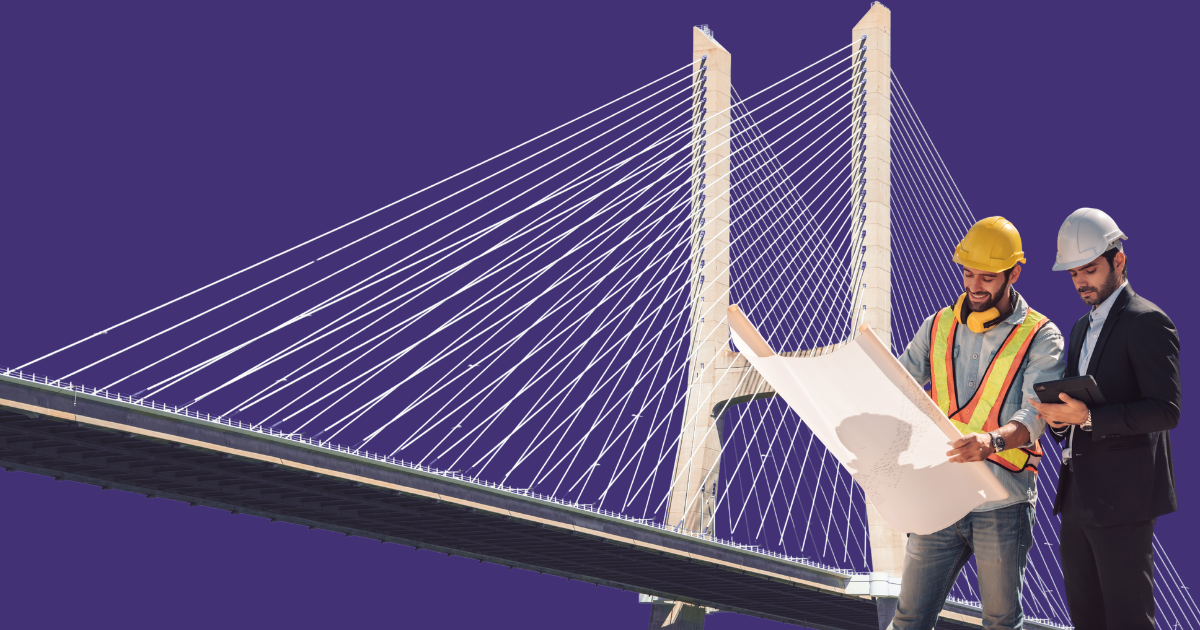
A Bridge Design Engineer is a specialized civil or structural professional responsible for the analysis, design, and detailing of bridge structures to ensure safety, durability, and regulatory compliance. Their primary objective is to create structurally efficient bridges that can withstand vehicular loads, wind forces, seismic activity, thermal expansion, and environmental impacts while maintaining long-term performance.
Unlike general civil engineers, bridge design engineers work extensively with structural analysis principles, load combinations, and national design codes such as IRC standards (India) and AASHTO guidelines (internationally). They design various bridge systems including beam bridges, box girder bridges, truss bridges, cable-stayed bridges, and flyovers.
Their responsibilities typically include:
- Performing structural modeling and advanced analysis
- Calculating dead, live, impact, wind, and seismic loads
- Designing superstructure elements (girders, decks, cables)
- Designing substructure components (piers, abutments, foundations)
- Coordinating with multidisciplinary engineering teams
- Ensuring compliance with safety standards and project specifications
In modern AEC environments, bridge design engineers also utilize advanced analysis tools such as CSI Bridge and MIDAS Civil, along with BIM platforms like Autodesk Revit to develop intelligent 3D models and conduct performance-based simulations.
In 2026, the role extends beyond traditional drafting — it requires integrating structural theory with digital workflows, sustainability principles, and data-driven engineering strategies.
Educational Qualifications & Academic Preparation Required
To become a Bridge Design Engineer in 2026, a strong academic foundation in Civil or Structural Engineering is essential. Most professionals begin their journey with a Bachelor’s degree in Civil Engineering (B.Tech / BE Civil), where they develop core knowledge in structural mechanics, strength of materials, and construction technology.
However, as bridge projects become more complex and digitally integrated, many engineers pursue a Master’s degree in Structural Engineering (M.Tech Structural) to gain advanced expertise in structural analysis, prestressed concrete, finite element methods, and seismic design.
During academic preparation, special focus should be given to:
- Structural Analysis (Indeterminate Structures, FEM concepts)
- Reinforced Concrete Design
- Prestressed Concrete Design
- Steel Structures
- Geotechnical Engineering (Foundation Design)
- Transportation Engineering basics
- Engineering Mathematics and Mechanics
In addition to university coursework, understanding national and international bridge design codes is critical. In India, familiarity with IRC standards is mandatory, while global firms often follow AASHTO or Eurocode guidelines.
In 2026, academic knowledge alone is not sufficient. Employers expect engineers to combine theoretical strength with practical exposure to structural analysis software, BIM workflows, and performance-based modeling approaches.
A strong academic base forms the backbone of a successful career in bridge design — but it must be supported by technical skill development and real-world project experience.
Core Technical Skills Required to Become a Bridge Design Engineer
While academic qualifications provide the foundation, becoming a successful Bridge Design Engineer in 2026 requires strong technical competence and practical engineering capability. In today’s competitive AEC environment, employers seek engineers who can apply structural theory to real-world infrastructure challenges with accuracy and confidence. Below are the essential technical skills required:
1. Structural Analysis and Load Assessment
1. Structural Analysis and Load Assessment
A bridge is subjected to multiple types of forces throughout its lifecycle. A design engineer must have a clear understanding of:
- Dead loads and superimposed dead loads
- Live loads and vehicular impact loads
- Wind loads and seismic forces
- Thermal expansion and contraction effects
- Moving load analysis
- Influence line diagrams
- Code-based load combinations (IRC, AASHTO, or Eurocodes)
A strong understanding of load paths and structural behavior is critical to ensuring safety and durability.
2. Reinforced and Prestressed Concrete Design
Modern highway and urban bridges commonly use reinforced concrete (RCC) and prestressed concrete systems. Engineers must be proficient in:
- Bending moment and shear force calculations
- Torsion checks
- Serviceability limit state verification
- Crack width control
- Deflection control
- Prestressing concepts and cable profiling
Mastery of these concepts ensures structural efficiency and long-term performance.
3. Substructure and Foundation Design Knowledge
A bridge design engineer must understand both superstructure and substructure systems. Key areas include:
- Pier design
- Abutment design
- Pile foundations
- Open foundations
- Soil-structure interaction principles
- Bearing selection and detailing
Neglecting foundation behaviour can compromise the entire structure.
4. Structural Detailing and Constructability Awareness
Design calculations alone are not sufficient. Practical detailing skills are equally important. Engineers must understand:
- Reinforcement detailing principles
- Bearing placement
- Expansion joint systems
- Fabrication considerations
- On-site construction constraints
Good detailing ensures that theoretical design translates smoothly into real-world construction.
5. Code Interpretation and Compliance
Professional bridge engineers must go beyond formulas and develop the ability to interpret design codes accurately.
In India, knowledge of IRC standards is essential. Internationally, AASHTO or Eurocodes are commonly applied. Understanding how to apply code provisions correctly distinguishes a skilled engineer from a beginner.
6. Analytical Thinking and Engineering Judgment
Every bridge project presents unique challenges, including:
- Different span configurations
- Varying soil conditions
- Diverse traffic intensities
- Environmental exposure factors
A successful bridge design engineer must possess strong analytical thinking, problem-solving ability, and sound engineering judgment to adapt to project-specific conditions.
Key Takeaway
In 2026, theoretical knowledge alone is not enough. Bridge design professionals must combine strong technical fundamentals with practical application skills and digital proficiency to succeed in the evolving infrastructure sector.
Software Skills You Must Learn in 2026
In modern infrastructure projects, bridge design engineers are expected to integrate structural theory with advanced digital tools. Software proficiency is no longer an added advantage — it is a core requirement.
Below are the essential software tools every aspiring bridge design engineer should learn:
1. CSI Bridge
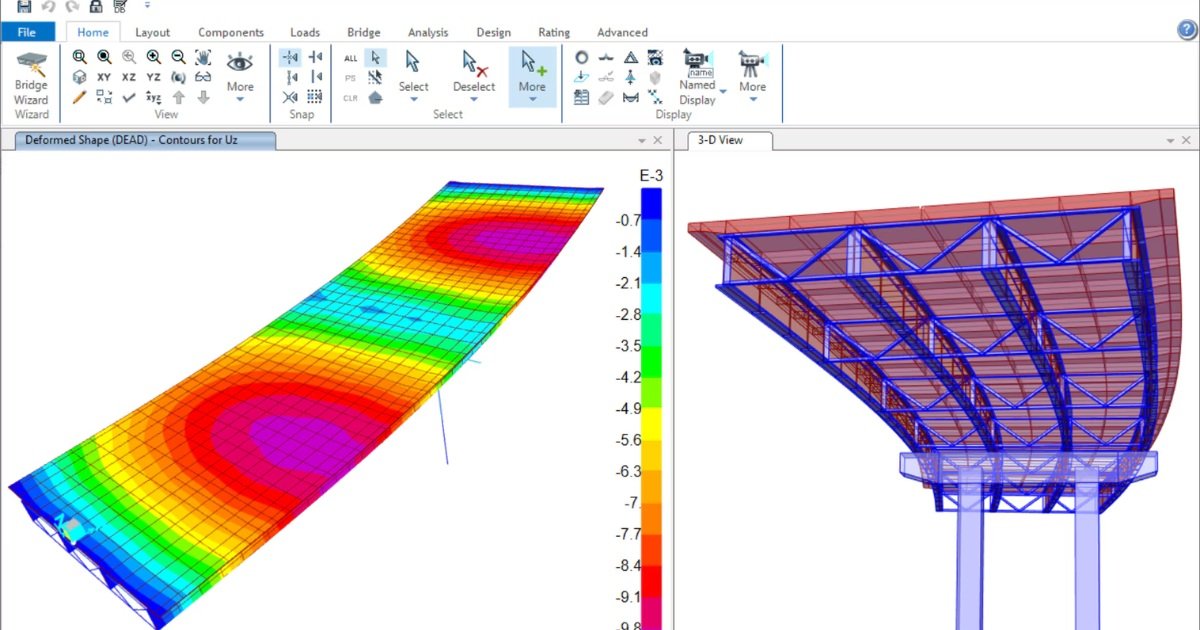
Why CSI Bridge is Critical in 2026
CSI Bridge is purpose-built for bridge modeling and advanced structural analysis. Unlike general structural software, it provides bridge-specific workflows.
What You Must Know in CSI Bridge:
✔ Moving Load Analysis (Vehicle load simulation as per IRC & AASHTO)
✔ Influence Line generation
✔ Time History Analysis
✔ Construction Stage Analysis (Segmental bridges)
✔ Post-Tensioned Girder modeling
✔ Nonlinear cable analysis
✔ Bearing and pier interaction modeling
Industry Application:
- PSC girder bridges
- Cable-stayed bridges
- Continuous span bridges
- Urban flyovers
If you want to work in consultancy firms, CSI Bridge proficiency is highly valued.
2. MIDAS Civil
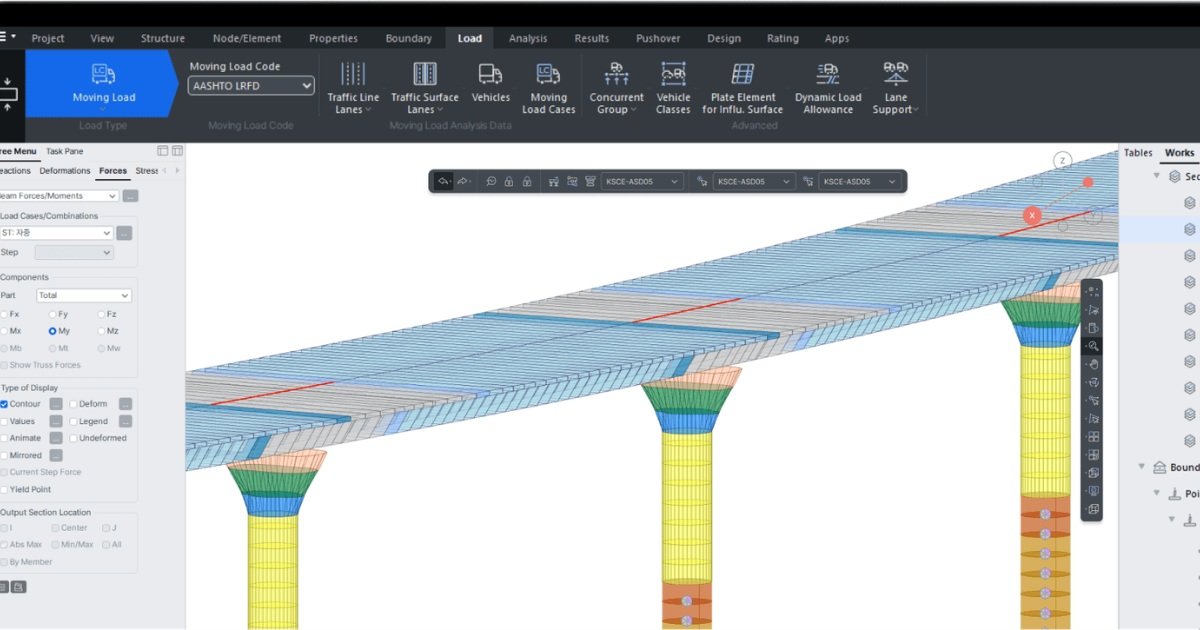
Why MIDAS Civil is Globally Preferred
MIDAS Civil is widely used for large and complex infrastructure projects, especially in international consultancy environments.
Core Skills to Master:
✔ Construction Stage Analysis (critical for segmental & balanced cantilever bridges)
✔ Seismic Analysis (Response Spectrum & Time History)
✔ Wind Load & Dynamic Effects
✔ Cable Force Optimization
✔ Composite Bridge Modeling
✔ Soil-Structure Interaction
Where It’s Used:
- Long-span bridges
- Metro viaducts
- Railway bridges
- Extradosed bridges
Engineers working in the Middle East, UK, and Southeast Asia frequently use MIDAS Civil.
3. STAAD.Pro
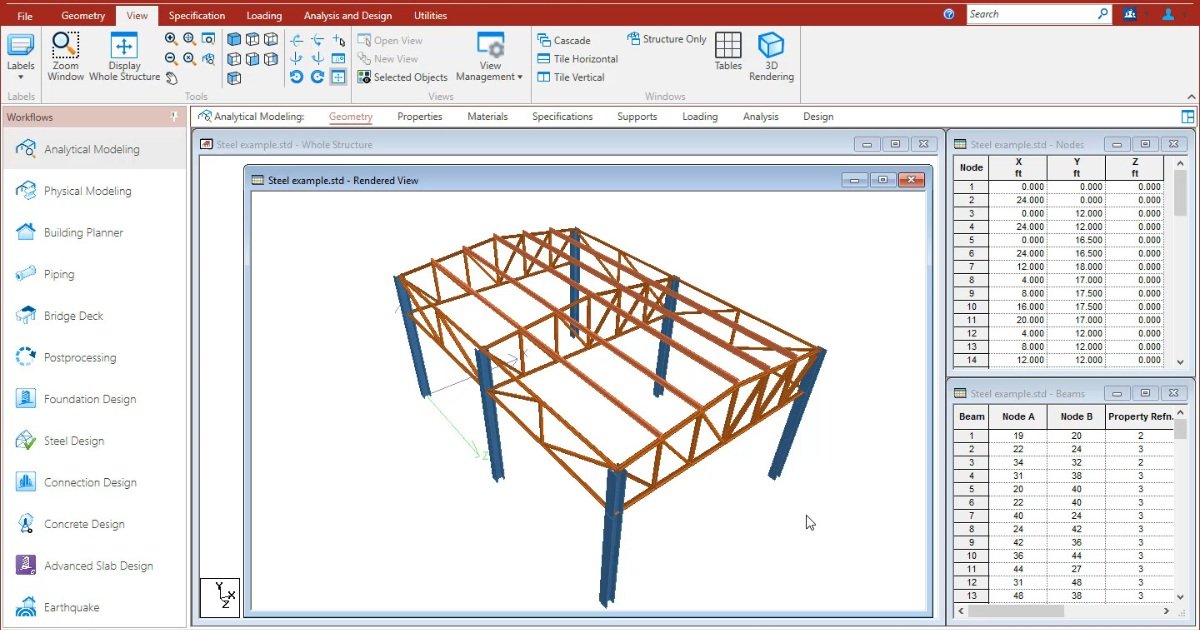
Why STAAD Still Matters
Though not bridge-specific, STAAD Pro is heavily used in:
✔ Substructure design (Pier & Abutment analysis)
✔ Steel bridge components
✔ Foundation design
✔ Structural stability checks
✔ Code compliance verification
It builds your core understanding of structural modeling and load transfer.
At Structurex.Pvt.Ltd we equip future-ready engineers and designers with hands-on project experience, real-world simulations, and advanced BIM & Computational Design expertise to meet global AEC standards.
4. Tekla Structures
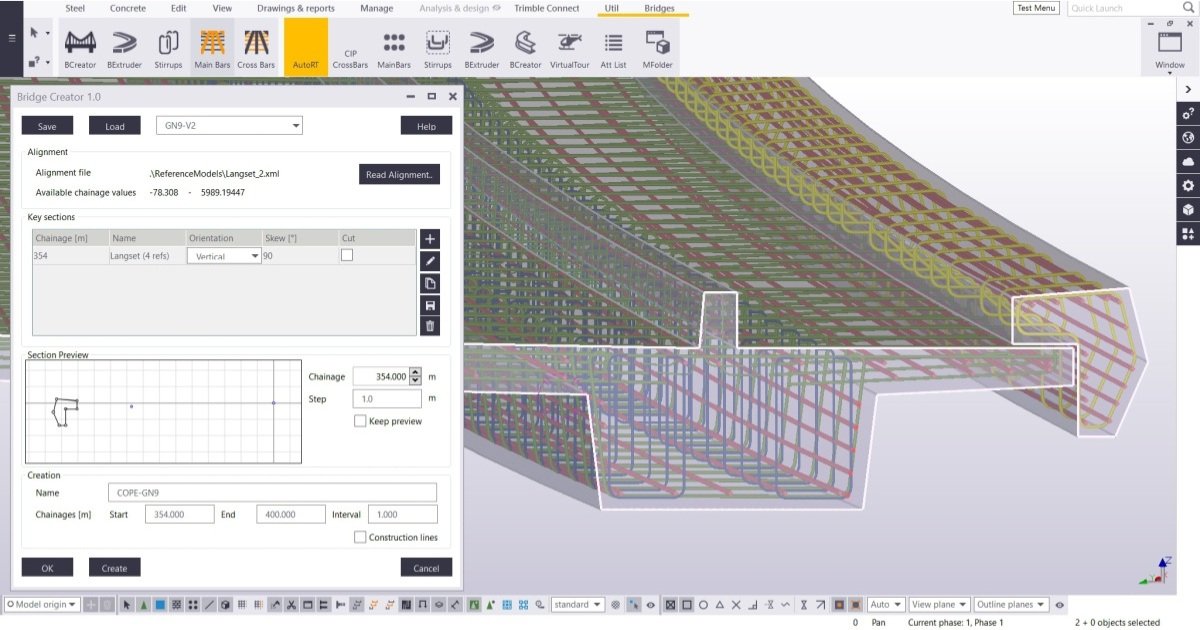
Why Tekla is a Game-Changer
Design without detailing has no construction value.
Tekla is essential for:
✔ 3D reinforcement detailing
✔ Steel fabrication drawings
✔ Quantity extraction
✔ Clash detection
✔ Shop drawing generation
✔ BIM coordination
Large EPC contractors demand Tekla skills because it connects design with execution.
4. RWIND (by Dlubal Software)
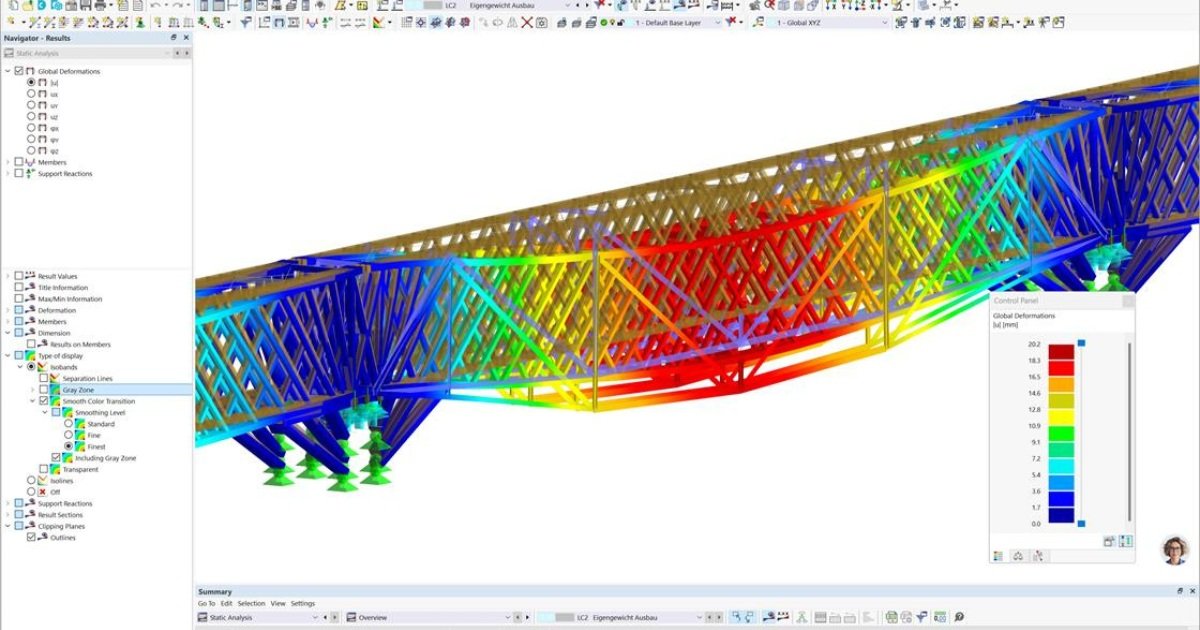
Why Wind Engineering Matters More in 2026
As bridge spans increase, wind becomes a governing design factor.
RWIND helps engineers:
✔ Perform CFD-based wind simulation
✔ Calculate realistic wind pressure distribution
✔ Analyze vortex shedding effects
✔ Export wind loads to structural analysis software
For cable-stayed and suspension bridges, wind study is mandatory.
4. Autodesk AutoCAD & Autodesk Revit
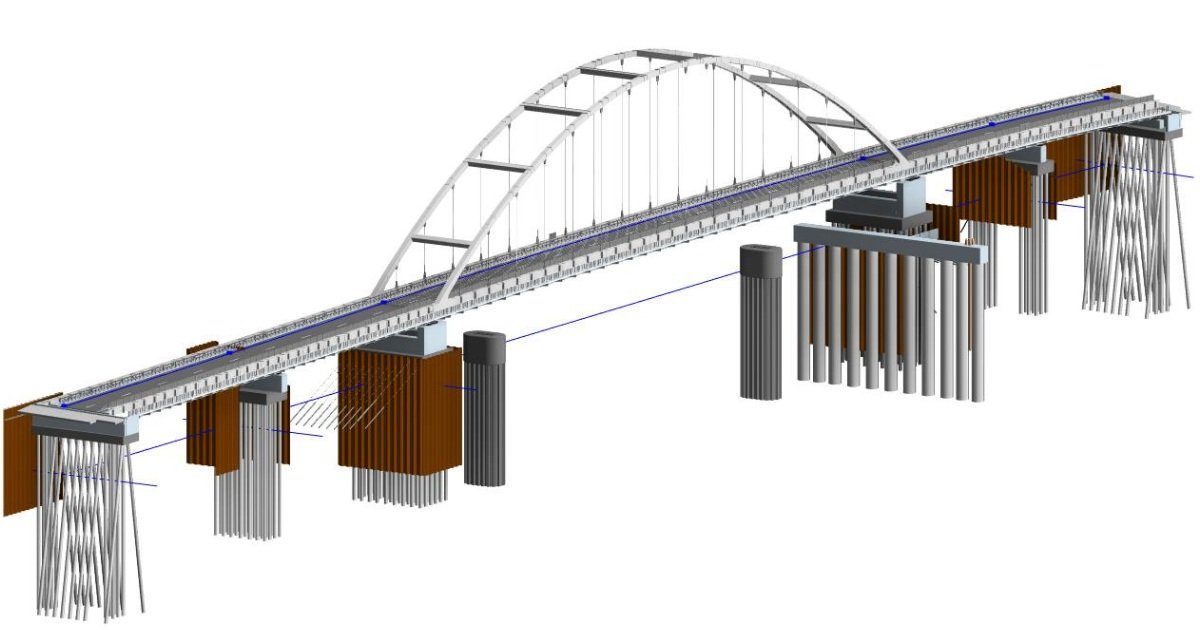
Drafting & BIM Workflow Skills
✔ Detailed cross-sections
✔ Reinforcement layouts
✔ GA drawings
✔ BIM-based 3D coordination
✔ ISO 19650 project workflow
BIM is no longer future — it is present.
🎯 What Makes You Job-Ready in 2026?
Software knowledge alone is not enough.
You must be able to:
- Interpret bending moment & shear force diagrams
- Validate results with manual calculations
- Understand load path & boundary conditions
- Optimize design for safety and economy
- Produce construction-ready documentation
A Bridge Design Engineer is not a “software operator.”
He/She is a structural problem solver.
📈 Salary & Career Growth of a Bridge Design Engineer in 2026
After understanding the required software and roadmap, the next logical question is:
What does this career offer in return?
Bridge Design Engineering is one of the most stable and high-growth domains within civil engineering due to increasing investments in transportation infrastructure, smart cities, metro rail projects, expressways, and high-speed corridors.
💰 Salary Structure in 2026 (India)
For professionals working in India:
🔹 Entry Level (0–2 Years)
- ₹3.5 – ₹6 LPA
- Depends on software skills & internship exposure
🔹 Mid-Level (3–6 Years)
- ₹6 – ₹12 LPA
- Engineers handling independent modeling and design checks
🔹 Senior Level (7–12 Years)
- ₹15 – ₹25+ LPA
- Leading design teams, client coordination, technical approvals
Top-tier consultancy firms and metro/rail infrastructure projects may offer even higher packages.
International Opportunities
Bridge design expertise is globally transferable.
Countries such as:
- United Arab Emirates
- United Kingdom
- Australia
- Canada
Regularly hire structural and bridge engineers for:
- Highway expansion
- Rail corridors
- Urban flyovers
- Long-span bridges
Engineers with strong software + code knowledge (IRC, AASHTO, Eurocode) are highly competitive internationally.
Career Growth Path
A typical professional journey looks like this:
1️⃣ Graduate Engineer Trainee
2️⃣ Junior Bridge Design Engineer
3️⃣ Design Engineer
4️⃣ Senior Design Engineer
5️⃣ Principal / Lead Engineer
6️⃣ Project Manager / Technical Consultant
With 10+ years of experience, many engineers:
- Start their own structural consultancy
- Become independent design reviewers
- Move into BIM leadership roles
- Shift to international infrastructure firms
Why Demand is Increasing in 2026
- Rapid highway expansion programs
- Urban transportation modernization
- Smart infrastructure projects
- Seismic safety upgrades
- Wind-sensitive long-span bridge development
Infrastructure is not slowing down — it is accelerating.
Key Insight
Bridge Design is not just a job.
It is a long-term, technically respected, high-growth specialization within civil engineering. Engineers who master structural fundamentals + advanced software + design codes will always stay in demand.
Infrastructure is not slowing down — it is accelerating.
Conclusion & Call to Action
Becoming a Bridge Design Engineer in 2026 is not about collecting random software certificates. It is about building strong structural fundamentals, mastering industry-relevant tools, understanding design codes, and gaining real project exposure.
Infrastructure development is accelerating globally. From metro corridors and national highways to long-span cable-stayed bridges, the demand for technically strong bridge engineers continues to grow.
But here is the reality: The industry does not reward average knowledge.
It rewards engineering clarity, analytical strength, and practical competence.
Engineers who combine:
- Structural fundamentals
- Advanced bridge analysis software
- Code-based design knowledge (IRC, AASHTO, Eurocode)
- Real project simulation experience
will always stay ahead in 2026 and beyond.
Start Your Bridge Design Journey with StructureX Pvt. Ltd.
At StructureX Pvt. Ltd., we focus on transforming civil engineers into industry-ready Bridge Design Professionals through:
✔ Project-based learning
✔ Real bridge modeling simulations
✔ Software training aligned with industry standards
✔ Code-based design approach
✔ Practical exposure to BIM and detailing workflows
We believe in skill-based engineering — not just theoretical learning. If you are serious about building a high-growth career in Bridge Design Engineering, now is the time to act.
Connect With StructureX Pvt. Ltd.
If you want structured, industry-oriented training in Bridge Design Engineering, you can connect with us. At StructureX, we focus on practical, project-based learning aligned with real industry requirements.