
 Post by
Introduction
Building Information Modelling (BIM) for MEP revolutionizes the construction process by integrating mechanical, electrical, and plumbing systems into a single 3D model, enhancing collaboration and reducing costly field clashes. By enabling early conflict detection, seamless data sharing, and precise real-time coordination, BIM MEP services significantly improve project efficiency, accuracy, and sustainability.
What is MEP in Construction?
MEP in construction refers to Mechanical, Electrical, and Plumbing systems, which are essential for a building’s functionality, occupant comfort, and safety. These systems include HVAC (heating, ventilation, and air conditioning), power distribution, lighting, fire safety, and water/waste management. Properly designed MEP systems are critical for energy efficiency, sustainability, and compliance with building codes.
Why MEP is Crucial in Construction
Well-designed MEP (Mechanical, Electrical, and Plumbing) systems are essential for modern buildings, ensuring functionality, comfort, and energy efficiency. By integrating HVAC, lighting, and water systems, MEP components create safe, habitable, and sustainable environments. Implementing BIM (Building Information Modeling) for MEP improves accuracy, reduces clashes, and streamlines construction, significantly lowering costs and minimizing rework.
Why MEP is Crucial in Construction
The Expert Certificate Program in Building Design is a specialized, industry-aligned course designed to equip civil engineers, architects, and industry professionals with the technical skills required to design, visualize, and analyze complex building structures. The curriculum bridges core structural engineering principles with practical application, with a strong focus on CAD, BIM, and FEA tools to ensure safety and efficiency.
Understanding BIM in MEP Systems
BIM (Building Information Modeling) for MEP (Mechanical, Electrical, and Plumbing) systems is a digital 3D modeling process used for MEP design, analysis, and coordination of building services. By enabling clash detection, it prevents on-site conflicts, improves accuracy, and optimizes energy efficiency, leading to reduced project costs and enhanced facility management. Implementing BIM for MEP ensures better coordination, efficient construction workflows, and high-performance buildings.
Fundamental Principles of BIM for MEP
1. Digital Twin Modeling of Building Systems
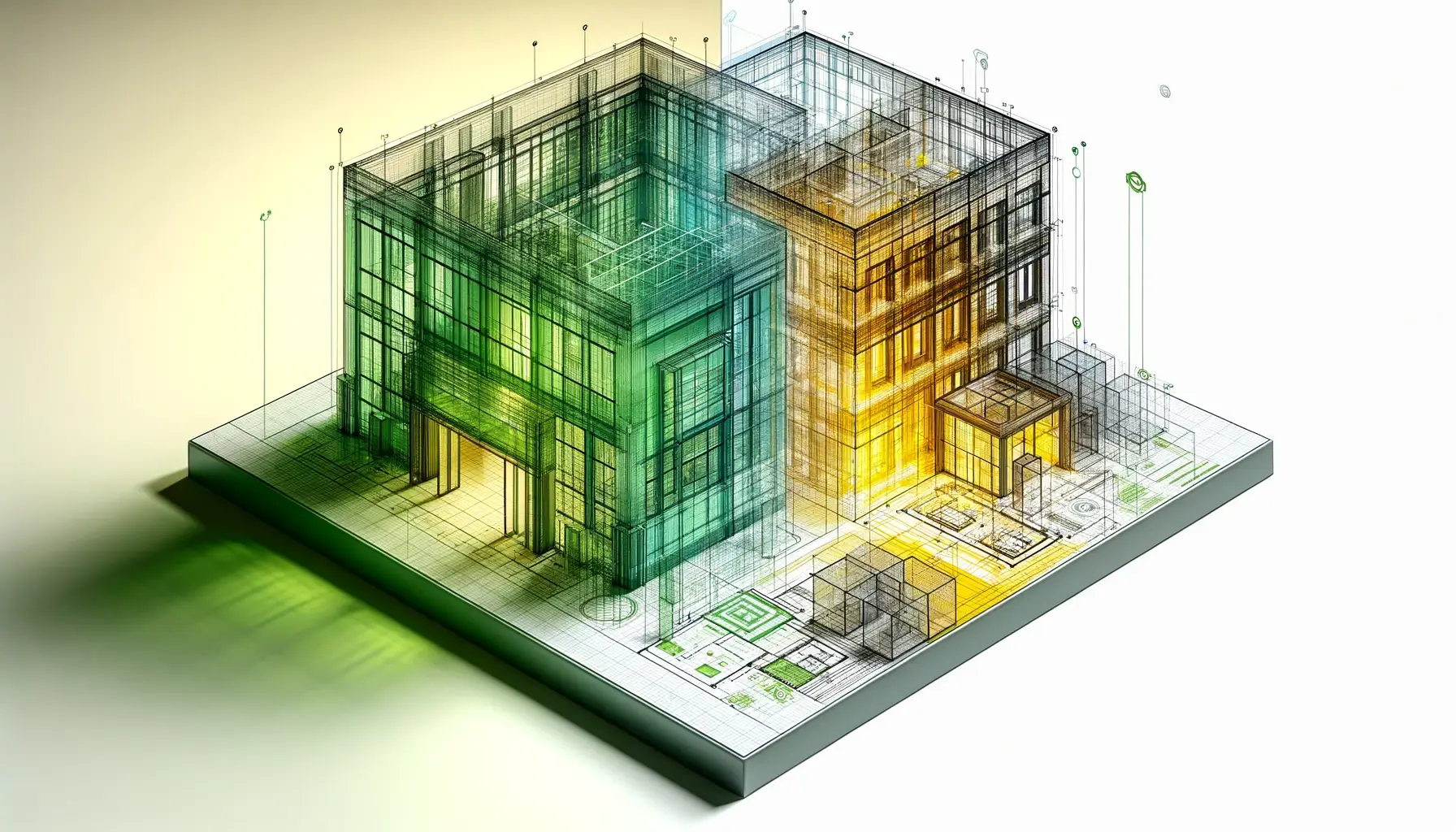
Digital Twin Modeling of Building Systems creates a dynamic virtual replica of a physical structure by integrating real-time IoT sensor data with Building Information Modeling (BIM). This allows engineers to simulate, optimize, and predict system performance before and during operation. By using digital twins, buildings achieve higher operational efficiency, reduced energy consumption, and proactive maintenance, ensuring optimal performance throughout their entire lifecycle.
2. MEP Clash Detection & Design Coordination
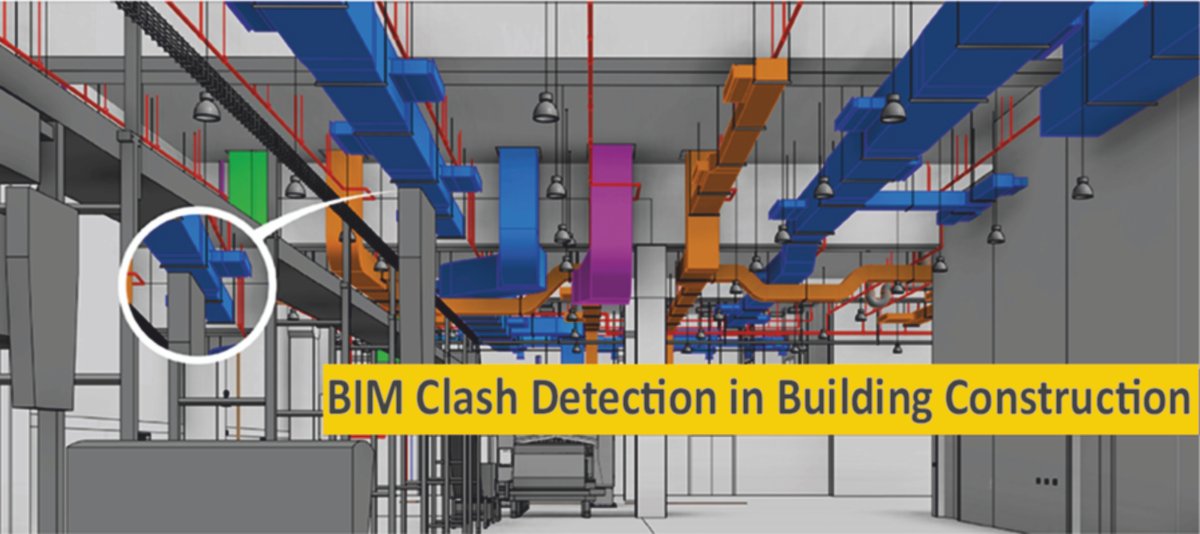
Clash detection and coordination use Building Information Modeling (BIM) to identify and resolve spatial conflicts between architectural, structural, and MEP (Mechanical, Electrical, Plumbing) systems before construction begins. By creating a federated 3D model, project teams can detect, analyse, and resolve design clashes early, reducing costly on-site rework by up to 36%. This process ensures smooth project execution, improved safety, and optimized coordination across all building systems.
3. Parametric Design and Data-Driven Decisions

Parametric design is a computational, algorithm-based approach where design elements are governed by parameters and relationships, allowing for the rapid generation of complex, optimized, and responsive structures. By integrating data-driven inputs—such as environmental, structural, or user-centric data—designers can make informed, objective decisions that enhance efficiency and sustainability.
4. Building Lifecycle and Facility Management
Building lifecycle and facility management involves overseeing a structure from conceptual design through construction, operation, maintenance, and eventual decommissioning, with 60–80% of costs incurred during the operational phase. By adopting a holistic, data-driven approach, facility managers can optimize asset lifespan, reduce long-term costs, enhance energy efficiency, and ensure sustainability. Key tools like BIM (Building Information Modeling) and IoT (Internet of Things) enable real-time monitoring, data integration, and proactive maintenance, transforming facility management from a reactive cost centre into a strategic, value-adding function.
Why MEP Engineers Must Use BIM
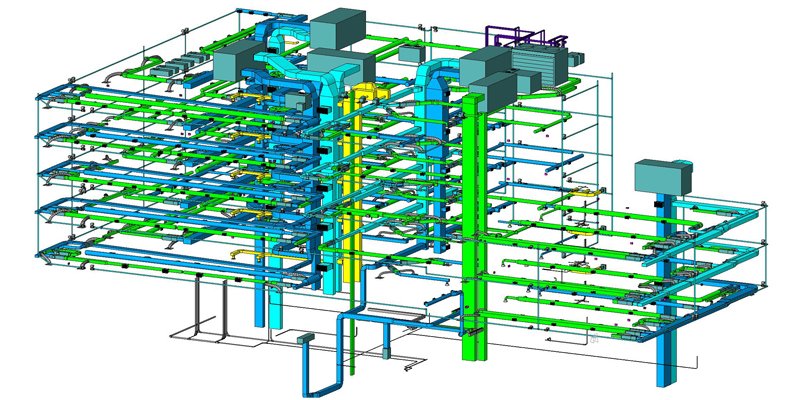
BIM for MEP is essential for modern, complex construction, enabling engineers to design, coordinate, and optimize systems with 3D precision, thereby enhancing accuracy and efficiency. By supporting clash detection, early error identification, and collaborative workflows, BIM delivers better project outcomes, cost savings, and improved sustainability, making mastery of these tools crucial for professional and career growth.
1.Enhanced Design Accuracy and Clash Detection
Improved design accuracy through automated BIM clash detection (e.g., in Navisworks, Tekla) identifies spatial, system, and workflow conflicts—such as pipe–beam overlaps—before construction. This significantly reduces costly on-site rework, enhances team collaboration, optimizes structural and MEP design, and ensures precise, clash-free fabrication drawings for improved overall project quality.
2.Enhanced Collaboration & Coordination
BIM MEP services provide a centralized, intelligent 3D modeling environment that replaces fragmented, traditional 2D workflows. By integrating Mechanical, Electrical, and Plumbing (MEP) systems into a single model, BIM enables real-time collaboration among architects, engineers, and contractors. This improved coordination significantly reduces design discrepancies, minimizes on-site rework, and ensures smoother project execution
3.Improved Energy Efficiency and Sustainability.
With the growing emphasis on sustainable building practices, BIM MEP software enables engineers to optimize building energy consumption through advanced simulations and energy analysis. BIM modeling supports the efficient design of HVAC systems, lighting layouts, and plumbing networks, helping reduce environmental impact and operational costs. Tools such as Revit MEP allow engineers to perform thermal and energy performance simulations, ensuring energy-efficient, sustainable, and high-performance buildings.
4.Faster Project Delivery and Cost Savings
Building Information Modeling (BIM) for Mechanical, Electrical, and Plumbing (MEP) systems offers a transformative approach to construction by addressing common challenges such as cost overruns and scheduling delays. By creating intelligent 3D models, engineers can visualize, analyze, and coordinate complex MEP systems before on-site work begins. This early-stage coordination significantly reduces rework (by up to 30–50%), accelerates project delivery, and leads to substantial cost savings.
5.Improved Facility Management and Maintenance
A BIM MEP engineer not only designs systems for the construction phase but also ensures their long-term operability and performance. BIM MEP software provides facility managers with accurate digital models that support efficient maintenance, upgrades, and repairs. By maintaining a data-rich BIM MEP model, building systems remain functional, energy-efficient, and cost-effective throughout their entire lifecycle.
6.Expanded Career Opportunities & Competitive Salary Growth
The global demand for skilled BIM MEP engineers is rapidly increasing due to the industry-wide shift from traditional CAD to digital, collaborative workflows. Professionals proficient in Revit MEP, Navisworks, AutoCAD MEP, and advanced techniques like 4D/5D simulations enjoy higher employability and better salary prospects. Specializing in these tools can significantly boost career growth, with experienced engineers and managers in high-demand markets commanding substantial compensation.
Key Elements of BIM in MEP Systems
- Mechanical Systems
BIM MEP enables engineers to create highly detailed 3D models for the precise design, analysis, and simulation of mechanical systems. This approach boosts energy efficiency, optimizes airflow, and enhances thermal performance. Additionally, BIM facilitates clash detection and optimal equipment placement, ensuring sustainable, well-coordinated, and high-performance building designs.
2. Electrical System Design in BIM MEP
BIM MEP services revolutionize electrical system design by creating precise, 3D intelligent models that enable accurate load analysis, optimized cable routing, and improved energy efficiency, reducing errors and installation costs. By facilitating virtual coordination, BIM prevents clashes with other building systems, ensures regulatory compliance, and streamlines installation. This approach makes the design process safer, faster, and more sustainable, enhancing overall project quality and efficiency.
3. BIM for Plumbing Systems
BIM MEP software enables engineers to create intelligent 3D models for plumbing systems, supporting the precise design, coordination, and documentation of domestic water, drainage, and medical gas systems. It allows for accurate pipe routing, material take-offs, and clash detection with other building trades. By facilitating pre-fabrication and early conflict resolution, BIM reduces construction costs, on-site rework, and project delays, ensuring efficient, safe, and sustainable plumbing system design.
Major Advantages of BIM in MEP Engineering
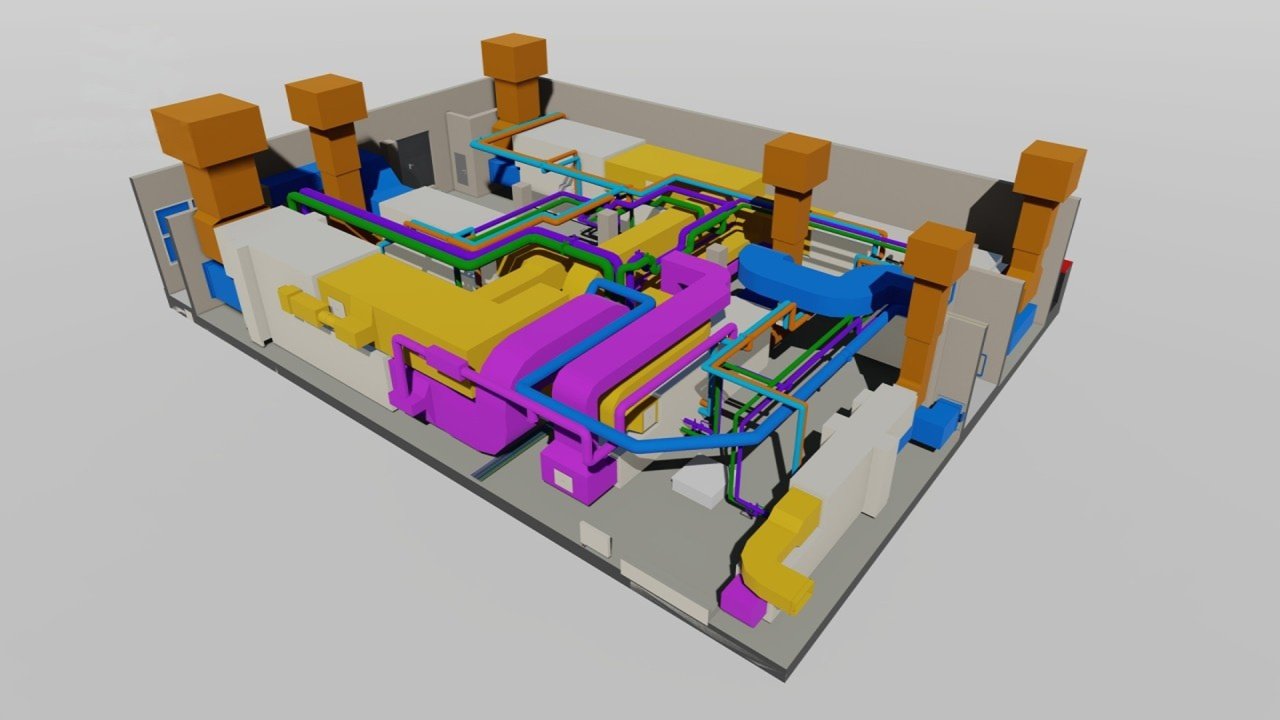
Building Information Modeling (BIM) in MEP engineering enhances design accuracy, enables clash detection before construction, and improves collaboration through a centralized 3D model. Key benefits include significant reductions in rework and costs, faster project delivery, streamlined prefabrication, and better data-driven facility management. By integrating these advantages, BIM ensures efficient, sustainable, and high-performance building projects.
Leading BIM Software for MEP Engineering

Building Information Modeling (BIM) in MEP engineering enhances design accuracy, enables clash detection before construction, and improves collaboration through a centralized 3D model. Key benefits include significant reductions in rework and costs, faster project delivery, streamlined prefabrication, and better data-driven facility management. By integrating these advantages, BIM ensures efficient, sustainable, and high-performance building projects.
BIM MEP software plays a pivotal role in modern construction projects. The top tools for MEP engineers in 2026 are led by Autodesk Revit MEP, known for its industry-standard 3D modeling, parametric updates, and integrated collaboration. Other essential software includes:
1.Revit MEP
Autodesk Revit is a leading and powerful BIM solution for MEP engineers, offering comprehensive parametric design, 3D modeling, and analytical tools for mechanical, electrical, and plumbing systems. It enables interdisciplinary coordination, energy analysis, and automated real-time documentation, streamlining design and improving project efficiency.
2. AutoCAD MEP
AutoCAD MEP is an industry-specific toolset included with AutoCAD, designed for mechanical, electrical, and plumbing (MEP) professionals to draft, design, and document building systems efficiently. It enhances productivity by up to 85% through a library of over 10,500 intelligent objects, automatic drawing updates, and specialized tools for HVAC, piping, and electrical design. This makes AutoCAD MEP a powerful solution for creating accurate, coordinated, and high-quality MEP documentation
3. Navisworks
Autodesk Navisworks is a powerful 3D design review and project coordination software widely used in construction and engineering. It enables engineers to combine models from multiple disciplines and over 60 file formats into a single, integrated model. Key features include clash detection, 4D simulation, and 5D quantification, allowing users to identify conflicts, visualize, and review models before construction, thereby preventing costly errors and enhancing project efficiency.
4. BIM 360
Autodesk BIM 360 is a cloud-based construction management platform that connects teams, data, and workflows from design through construction. Now integrated into the Autodesk Construction Cloud, it enables real-time collaboration, document management, and project coordination, helping teams reduce risks, prevent errors, and keep projects on schedule. By centralizing information, BIM 360 ensures efficient communication, seamless workflow, and improved project outcomes for MEP engineers and construction professionals.
5. BEXEL Manager
BEXEL Manager is a powerful BIM-based project management and analytics platform that connects 3D BIM models with schedule (4D), cost (5D), quantity take-offs, and resource planning. It allows teams to simulate construction sequences, track project progress, and control budgets with high accuracy.
BIM-Based Workflow for MEP Engineering
A BIM MEP engineer follows a structured, data-driven workflow to ensure accurate design, smooth coordination, and efficient project delivery throughout the building lifecycle.
- Conceptual Design
The process begins with developing preliminary MEP layouts using BIM modeling software. At this stage, basic system requirements, space planning, and design intent are established in coordination with architectural and structural teams. - Detailed Design & Coordination
Detailed 3D MEP models are created, and clash detection is performed to identify and resolve conflicts between mechanical, electrical, plumbing, architectural, and structural systems. System optimisation is carried out to improve performance, efficiency, and constructability. - Construction Documentation
Accurate shop drawings, coordinated layouts, and material specifications are generated directly from the BIM model. This ensures consistency, reduces errors, and supports precise quantity take-offs and cost estimation. - Construction Execution
During construction, the BIM model is used to support installation, resolve on-site issues, and coordinate sequencing. Any design changes are updated in the model to maintain accuracy and avoid rework. - Facility Management & Operations
After project completion, the as-built BIM model serves as a valuable resource for facility management, supporting maintenance, system monitoring, upgrades, and long-term operational efficiency.
Key Challenges in BIM Adoption for MEP and Their Solutions
While BIM MEP offers significant advantages in design coordination, efficiency, and cost control, its adoption also presents several challenges. These issues can be effectively addressed through the right strategies, tools, and training.
- High Initial Investment: Implementing BIM often requires substantial upfront costs for software, hardware, and training. However, these costs can be offset by long-term ROI, achieved through reduced rework, improved coordination, faster project delivery, and better cost control.
- Training and Skill Gaps: A lack of skilled BIM MEP professionals can limit successful implementation. This challenge can be overcome through specialized BIM MEP training programs, continuous upskilling, and hands-on project-based learning, ensuring teams are proficient with tools like Revit MEP and Navisworks.
- Data Management and Model Complexity: Managing large, data-rich BIM models can be complex. Adopting structured and standardized workflows, along with cloud-based collaboration platforms, helps maintain data accuracy, version control, and real-time access across teams.
- Resistance to Change: Transitioning from traditional 2D workflows to BIM may face resistance from stakeholders. This can be mitigated through clear communication, proper training, and early stakeholder engagement, highlighting BIM’s long-term benefits.
- Coordination and Design Conflicts: MEP systems often face frequent clashes with architectural and structural elements. Using advanced BIM clash detection tools enables early identification and resolution of conflicts, improving coordination and minimizing on-site issues.
How StructureX’s BIM MEP Training Program Helps You Master BIM Workflows
A BIM MEP course is essential for engineers aiming to advance their careers in today’s digitally driven construction industry. StructureX Pvt. Ltd.’s BIM MEP training program equips professionals with hands-on experience in industry-leading BIM software, including Revit MEP and Navisworks, ensuring they are job-ready and aligned with current industry standards.
The StructureX BIM MEP Course covers:
- Comprehensive training on BIM fundamentals and MEP system design
- Practical, hands-on experience with Revit MEP, Navisworks, and BIM workflows
- Real-world project-based case studies to enhance problem-solving and coordination skills
- Expert mentorship from experienced industry professionals
- Industry-oriented workflows focused on design, clash detection, coordination, and documentation
By completing a BIM MEP course from StructureX, engineers can significantly enhance their technical expertise, improve employability, and position themselves for higher-paying roles. According to current industry trends, professionals with strong BIM MEP skills command better salaries and faster career growth compared to those using traditional design methods.
Conclusion
The future of BIM MEP is highly promising, with a growing global demand for skilled BIM MEP engineers. By leveraging advanced BIM MEP software and adopting industry best practices, professionals can significantly improve project efficiency, reduce costs, and contribute to sustainable and high-performance building designs.
Investing in a structured BIM MEP training program further strengthens career prospects, helping engineers remain competitive in an increasingly digital construction industry.
The BIM Professional Program for MEP Engineers by StructureX Pvt. Ltd. stands out as a comprehensive and industry-focused training solution. With hands-on learning, real-world project exposure, and expert guidance, StructureX empowers engineers to master BIM workflows and achieve long-term career growth. Explore StructureX’s learning resources and training programs to stay updated with the latest tools, trends, and insights in the BIM and MEP industry.
Frequently Asked Questions
Q1: How is BIM Used for MEP Workflows?
Q2: Why is BIM Important for MEP Engineers?
Q3: How Does BIM Enhance Accuracy in MEP Modeling?
Q4: What Are Some Common BIM Software Tools Used for MEP Engineering?
• Revit MEP – Industry-leading BIM software for MEP system design and modeling
• AutoCAD MEP – Specialized tools for MEP drafting and documentation
• Navisworks – Used for clash detection, coordination, and project review
• BIM 360 (Autodesk Construction Cloud) – Cloud-based collaboration and project management platform
These tools help BIM MEP engineers streamline workflows, enhance coordination, and improve project delivery, all of which are covered in StructureX’s BIM MEP training programs.
Q5: What Are the Key Benefits of Using BIM in MEP Design?
• Enhanced Collaboration – Centralized models improve communication among all stakeholders
• Clash Detection & Error Reduction – Conflicts are identified and resolved before construction
• Improved Efficiency – Automated BIM workflows reduce rework and optimize material usage
• Energy Efficiency & Sustainability – Energy simulations support high-performance building design
• Cost Reduction – Streamlined processes reduce delays and overall project costs
By using BIM MEP modeling, engineers can design efficient, sustainable, and cost-effective MEP systems, improving building performance and long-term value—key outcomes promoted by StructureX Pvt. Ltd.