 Post by
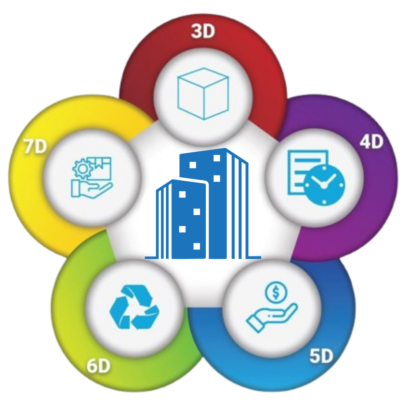
Building Information Modelling (BIM) careers are in high demand, offering a bridge between construction, design, and technology that facilitates efficient, data-driven, and collaborative project management. As of 2026, BIM roles are moving beyond simple software operation to focus on project-ready skills. What are the various BIM jobs available? And more importantly, how exactly can one start a career in BIM?
Is a career in BIM really worth the trouble?
A career in Building Information Modelling (BIM) is generally considered very worth the effort, particularly for those in the Architecture, Engineering, and Construction (AEC) sectors, as it is rapidly becoming the industry standard. While it requires a steep learning curve and high technical dedication, it offers strong job security, higher salaries (often 40% more than non-BIM roles), and a pathway to leadership roles like BIM Manager or VDC (Virtual Design and Construction) Manager.
Is a career in BIM really worth the trouble?
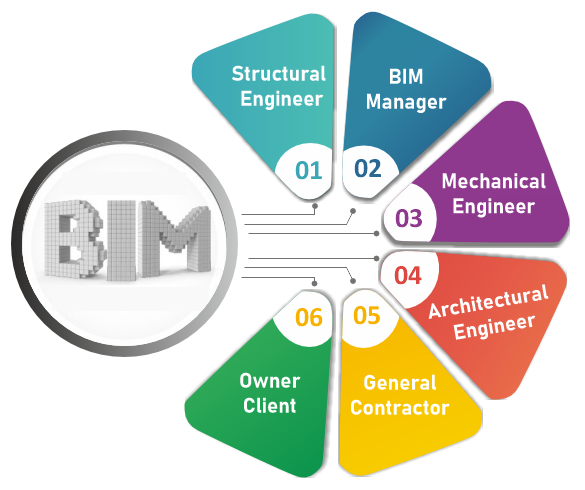
There are several specialization areas within the AEC industry, and accordingly, BIM offers a wide range of career opportunities, each requiring specific skills and responsibilities. As a first step into the BIM industry, professionals can begin their careers as BIM Modellers or BIM Designers, where the focus is on design development and drafting. In most cases, individuals start as BIM Modellers and progress to BIM Designers as they gain experience. A BIM Designer is expected to possess not only BIM knowledge but also a strong understanding of their respective engineering discipline. A similar role with a stronger technical focus is that of a BIM Engineer
What Are the Career Opportunities in BIM Technology?
There are several specialization areas within the AEC industry, and accordingly, BIM offers a wide range of career opportunities, each requiring specific skills and responsibilities. As a first step into the BIM industry, professionals can begin their careers as BIM Modellers or BIM Designers, where the focus is on design development and drafting. In most cases, individuals start as BIM Modellers and progress to BIM Designers as they gain experience. A BIM Designer is expected to possess not only BIM knowledge but also a strong understanding of their respective engineering discipline. A similar role with a stronger technical focus is that of a BIM Engineer
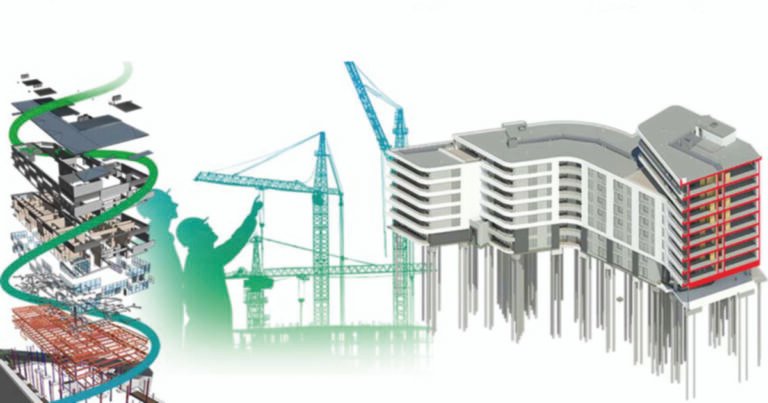
After gaining experience in these roles, the next career progression is to become a BIM Manager, responsible for managing BIM projects, defining the required Level of Development (LOD), and performing Quality Checks (QC). With sufficient experience in handling both projects and teams, professionals can further advance to the role of a BIM Coordinator. Professionals who are experienced in handling construction site challenges and coordinating with non-BIM stakeholders can also work as BIM Facilitators. With extensive experience in the AEC industry, one can progress to become a BIM Consultant, supporting organizations in effectively implementing and managing BIM projects. These are some of the common career opportunities available in BIM, and as technology continues to advance, the scope and variety of BIM roles are expected to grow further.
How to Start a Career in BIM: Step-by-Step Guide
After gaining experience in these roles, the next career progression is to become a BIM Manager, responsible for managing BIM projects, defining the required Level of Development (LOD), and performing Quality Checks (QC). With sufficient experience in handling both projects and teams, professionals can further advance to the role of a BIM Coordinator. Professionals who are experienced in handling construction site challenges and coordinating with non-BIM stakeholders can also work as BIM Facilitators. With extensive experience in the AEC industry, one can progress to become a BIM Consultant, supporting organizations in effectively implementing and managing BIM projects. These are some of the common career opportunities available in BIM, and as technology continues to advance, the scope and variety of BIM roles are expected to grow further.
1. Join a Professional BIM Course and Earn Certification
A Master’s degree is not mandatory to build a career in BIM. However, enrolling in industry-oriented BIM courses, such as those offered by Structurex, helps candidates gain in-depth knowledge and strong practical skills. While most firms focus more on hands-on experience than certifications, structured BIM training plays a key role in making candidates industry-ready.
2. Choose a BIM Specialization
Although BIM is often seen as a specialised design field, it offers a wide range of career paths that can be further divided into multiple specialisations. Each BIM role demands a different combination of skills and experience. With several options available, selecting one area and working towards mastering it becomes easier. As you gain experience, you can steadily progress in your BIM career. To make the right choice, reflect on the BIM domain that genuinely interests you. As Architect and Design Technology Specialist Ami Nigam from Unstudied highlights, identifying your interest and developing expertise in that area is crucial. Genuine interest helps professionals stay motivated and overcome complex challenges. Once you identify your area of interest, begin researching relevant BIM roles along with design and construction firms. Understanding the responsibilities and skill requirements of each role is essential to ensure a good fit. At the same time—or shortly after—study how different firms implement BIM in their projects. This will help you shortlist organisations that align with your interests and long-term career goals.
3. Create a Professional BIM Portfolio
Suppose you identify a suitable BIM role and plan to apply for it—your next step should be building a portfolio. In fact, this can be one of the most crucial steps in your BIM career journey. In any BIM position, working with and managing BIM models is a core responsibility. Your portfolio should clearly demonstrate your ability to create detailed, data-rich BIM models and show that you can deliver value beyond basic expectations. It also serves as evidence of the BIM tools and software you are proficient in, so do not hesitate to showcase your work in detail. Having projects that align with the vision and type of work of your prospective employer can be a strong advantage. Since many employers prefer candidates with real building experience, be sure to highlight any background in architecture or engineering. Additionally, ensure that the skills and software mentioned in your CV are clearly reflected in your portfolio. So, what software should a BIM professional be familiar with? As the industry continues to evolve and workflows become more complex, the range of BIM-related tools is also expanding. It is important to remember that BIM itself is not software but a process that software supports. For instance, knowledge of Revit alone may not be sufficient; collaboration platforms such as BIM 360 or performance analysis tools like IES and Cove tool—often used as Revit plug-ins—are increasingly in demand. The specific software requirements will depend on your job role and responsibilities within an organisation. With BIM rapidly growing and more graduates entering the field, it is important to stand out. Demonstrating unique skills, strong technical knowledge, or practical expertise can help you capture the attention of potential employers.
4. Expand Your Professional Network

Suppose you identify a suitable BIM role and plan to apply for it—your next step should be building a portfolio. In fact, this can be one of the most crucial steps in your BIM career journey. In any BIM position, working with and managing BIM models is a core responsibility. Your portfolio should clearly demonstrate your ability to create detailed, data-rich BIM models and show that you can deliver value beyond basic expectations. It also serves as evidence of the BIM tools and software you are proficient in, so do not hesitate to showcase your work in detail. Having projects that align with the vision and type of work of your prospective employer can be a strong advantage. Since many employers prefer candidates with real building experience, be sure to highlight any background in architecture or engineering. Additionally, ensure that the skills and software mentioned in your CV are clearly reflected in your portfolio. So, what software should a BIM professional be familiar with? As the industry continues to evolve and workflows become more complex, the range of BIM-related tools is also expanding. It is important to remember that BIM itself is not software but a process that software supports. For instance, knowledge of Revit alone may not be sufficient; collaboration platforms such as BIM 360 or performance analysis tools like IES and Cove tool—often used as Revit plug-ins—are increasingly in demand. The specific software requirements will depend on your job role and responsibilities within an organisation. With BIM rapidly growing and more graduates entering the field, it is important to stand out. Demonstrating unique skills, strong technical knowledge, or practical expertise can help you capture the attention of potential employers.
5. Create a Strong Online Presence
Create a Strong Online Presence Another effective way to attract attention to your work is through online platforms. Design professionals can leverage social media to present their projects and skills to a wider audience. Platforms like Pinterest and Instagram are widely used for showcasing design work, while LinkedIn offers greater professional visibility and engagement. If recruiters come across your work and find it aligned with their organisation’s requirements, it could even lead to job opportunities. Thoughts to Consider Alumni Perspectives Seeking advice from a course alumnus can give you valuable insights into which areas you should focus on for upskilling. You can also gain similar guidance by speaking with employees at firms you are interested in. They can provide a clearer picture of the role, responsibilities, and the company’s work culture. When you eventually attend an interview at the same firm, this knowledge can help you make a strong impression on the interviewers.
Thoughts to Consider Alumni Perspectives
Seeking advice from a course alumnus can give you valuable insights into which areas you should focus on for upskilling. You can also gain similar guidance by speaking with employees at firms you are interested in. They can provide a clearer picture of the role, responsibilities, and the company’s work culture. When you eventually attend an interview at the same firm, this knowledge can help you make a strong impression on the interviewers.
Should You Do a BIM Internship?
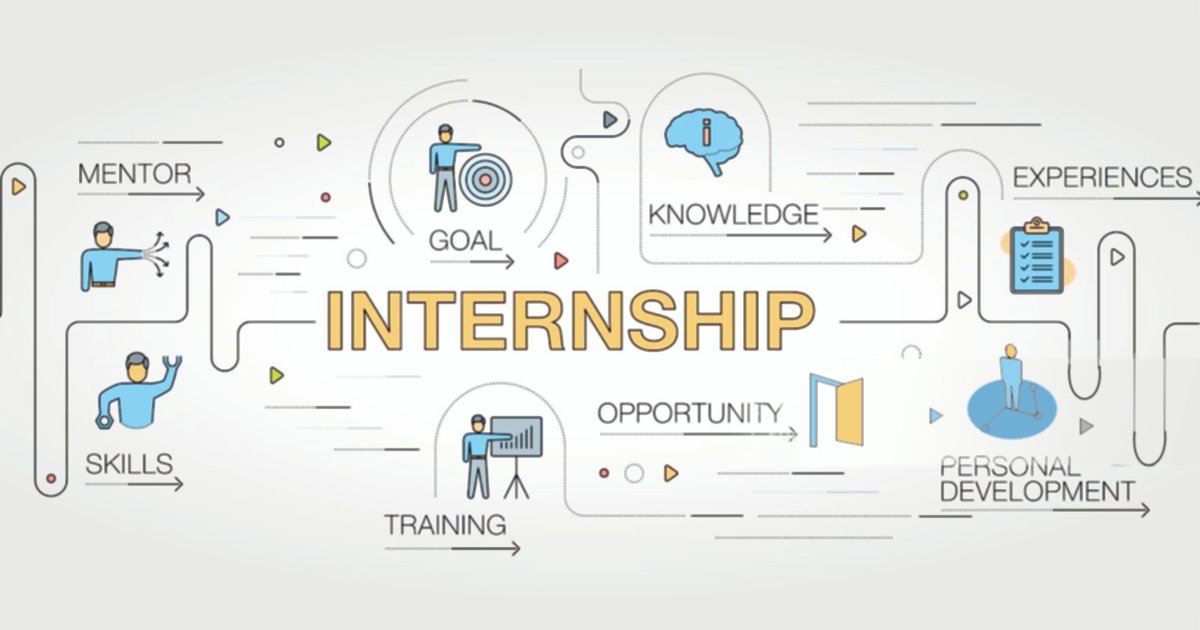
If you are starting your career in the BIM industry, doing an internship before seeking a full-time role is highly recommended. Internships provide hands-on, real-world experience—something that every employer values. If your BIM knowledge is primarily theoretical, you may lack projects to showcase in a professional portfolio, making an internship even more essential. How do you pick the right firm? Remember, bigger does not always mean better. Consider factors like location, compensation, and how the firm implements BIM before making your decision. Starting your career on the right note is crucial. To gain both practical and theoretical expertise in BIM under the guidance of industry professionals, consider enrolling in StructureX’s BIM professional courses. Working on real-world, structured projects will also enhance your portfolio and make you job-ready. For more insights on BIM and AEC careers, visit our Resources page.
Start Your BIM Career with structurex
The BIM Course for AEC Professionals at StructureX Pvt. Ltd. is an industry-oriented postgraduate training program focused on Building Information Modeling (BIM) and project delivery workflows tailored for professionals in the Architecture, Engineering & Construction (AEC) sector.
Contact Us!